Reading List
The Delta has inspired volumes of fiction and non-fiction. Here are some works you might want to explore! To suggest additions to the list, please email book title, author and year published to submit@delta.ca.gov.
Skip to list of descriptions for fiction, nonfiction, and the Images of America Series.
Fiction
A Fairer Paradise: California River Delta Stories
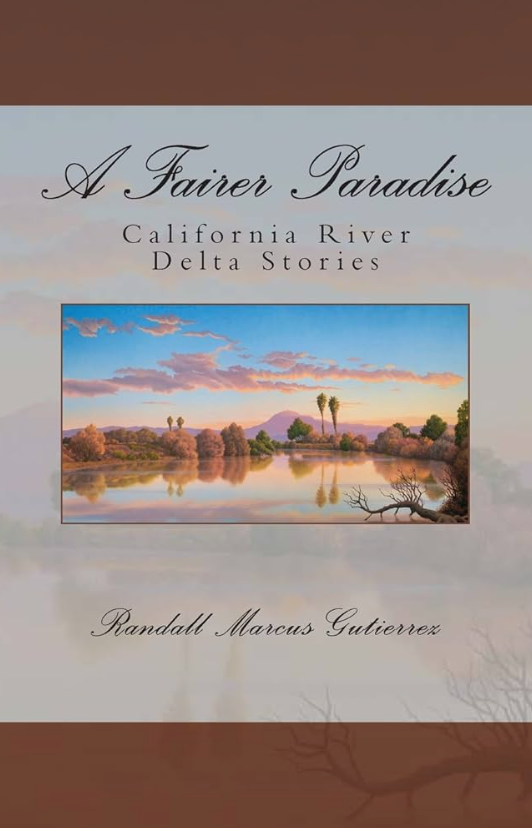
Randall Marcus Gutierrez, 2012
In the 1930’s, the California Delta provides a haven for people and incidents during the Great Depression and Prohibition. A man and his son rescue a duckling entangled in the waters of Steamboat Slough. Ronny, a San Francisco resident recently separated from his family, and Michela, his lover, experience a gala event at the Ryde Hotel, meeting couples with intriguing personalities engaging in the drink, dance and conflicts of the age. Tony and Paul, young Italian brothers from the town of Pittsburg, ride on the Delta River Road destined for a “house of ill repute” in the small Chinese immigrant town of Locke, struggling with their moral obligations during their journey. A woman, emotionally distraught, suffers from a tragic incident in Hollywood and flees to safety on the steamboat Delta King. And Puy, the legendary god of Mt. Diablo, is worshiped by Diego, a man living in the Delta with his sister and nephew, and, after decades fruitlessly searching for Puy in his annual trip to Mt. Diablo, attempts his last climb to the summit to prove Puy’s existence. Interesting stories of people living and experiencing life in a variety of ethnic, social and religious sects in California’s river delta.
Fat City
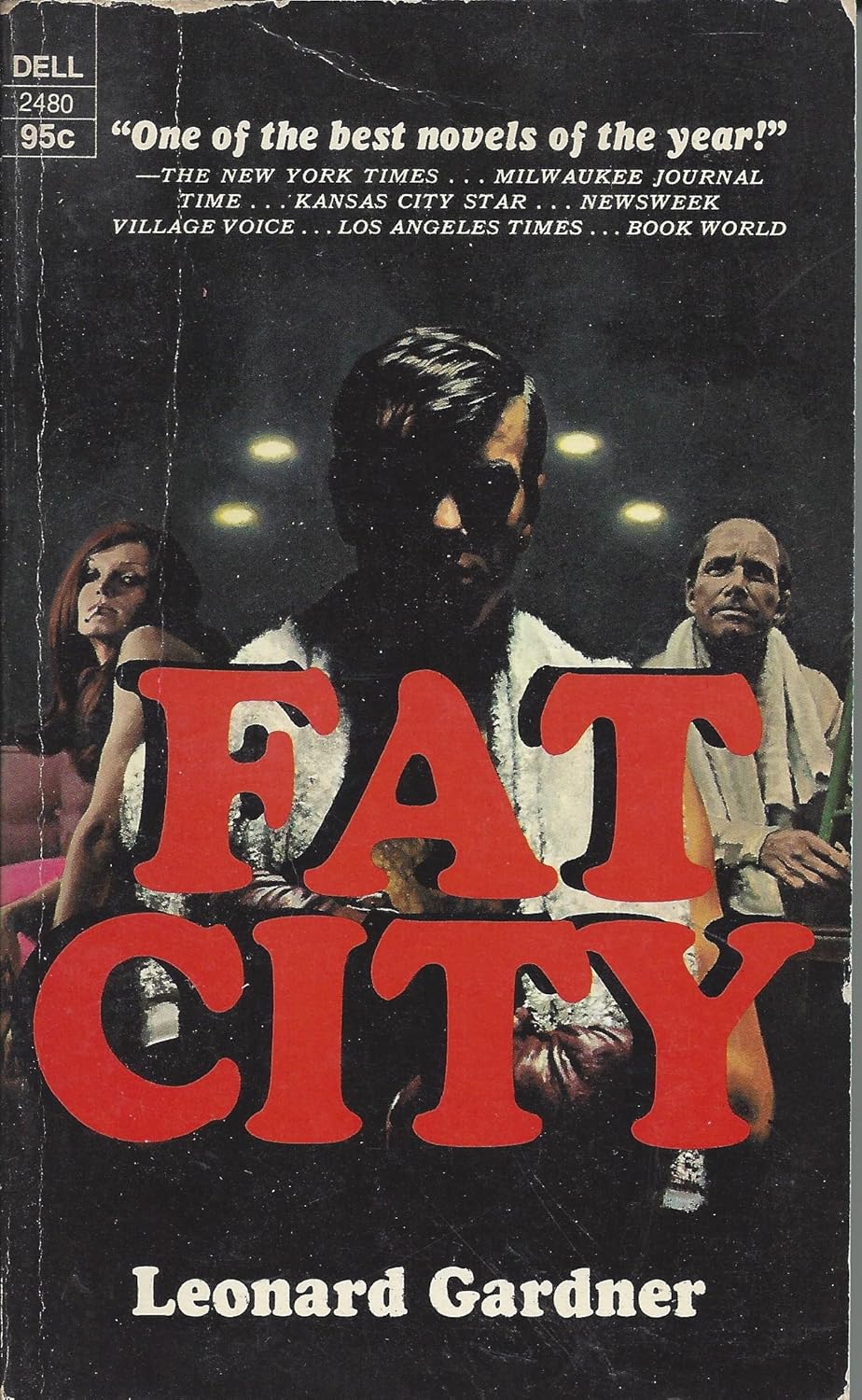
Leonard Gardner, 1969
Fat City is a novel about the indestructibility of of hope, the anguish and comedy of the human condition. It tells the story of two young boxers out of Stockton, California: Ernie Munger and Billy Tully, one in his late teens, the other just turning thirty, whose seemingly parallel lives intersect for a time. Set in an ambiance of glittering dreams and drab realities, it tells of the two fighters’ struggles to escape the confinements of their existence, and of the men and women in their world. Fat City is a novel about the sporting life like no other ever written: without melodrama or false heroics, written with a truthfulness that is at once painful and beautiful.
In the Shadow of Diablo: Beneath the Tangled Vines
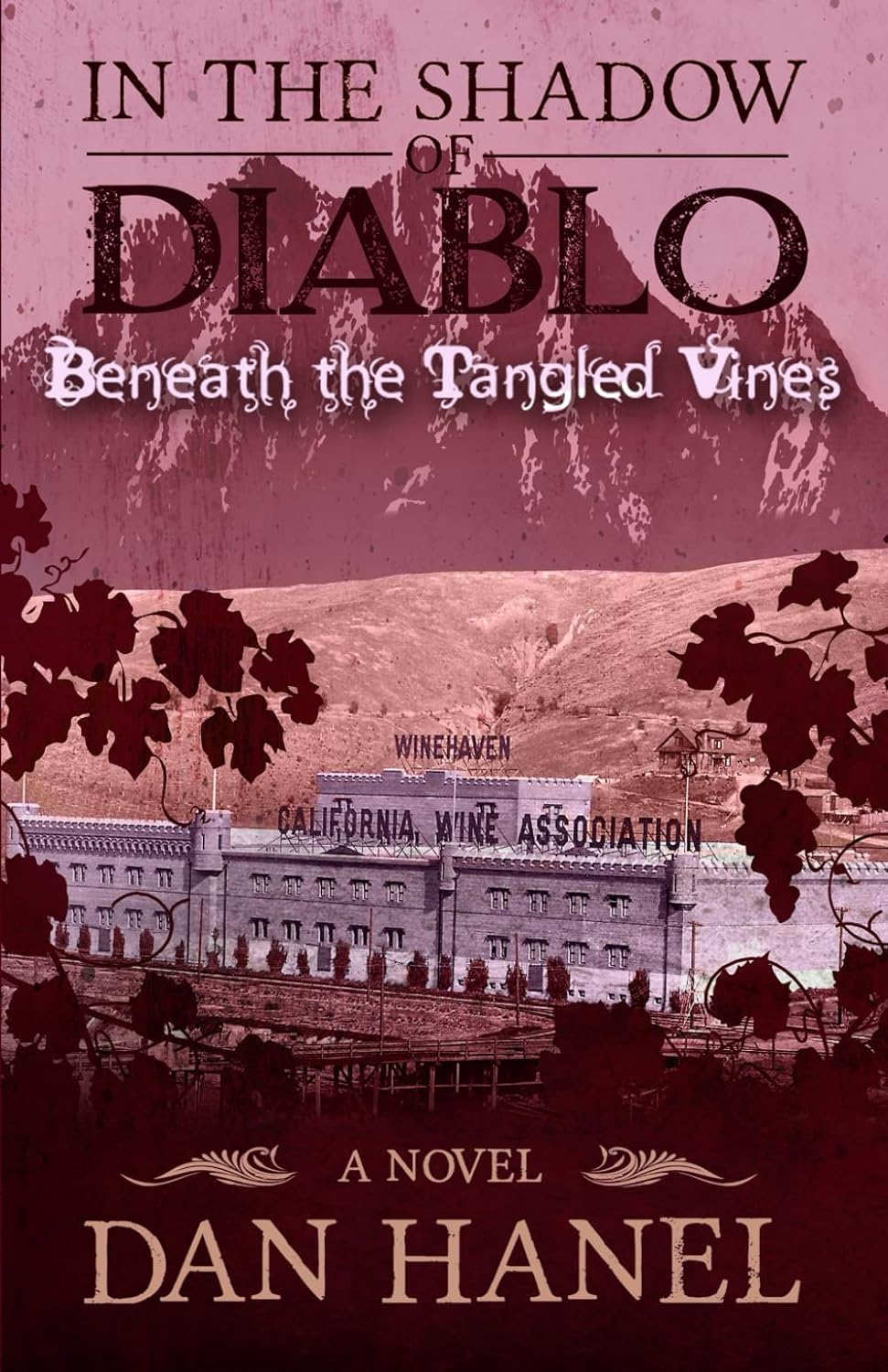
Dan Hanel, 2002
The Great Quake of 1906 left San Francisco in ruins. The destruction not only paralyzed the city, it also devastated California’s burgeoning wine industry as more than two dozen of downtown San Francisco’s wine warehouses burned to the ground. Vowing to rebuild, the California Wine Association settled on Contra Costa County’s western shore as the new home for Winehaven ― the largest winery in the world. Presently, newlyweds Harrison and Celeste also find themselves drawn into exploring the county’s historic wine industry through a mysterious bottle, a cryptic note, and an ancient Chinese bone box. As the two teachers investigate one family’s mystery and its possible connection to a hidden fortune, it soon becomes clear that there are dark secrets hidden beneath the tangled vines of the past.
In The Shadow of Diablo: Death at the Healing Waters
Dan Hanel, 2015
When foreign language teacher Celeste Scott is asked by police to help translate a strange note found on a mummified corpse, she and science teacher Harrison Barrett are drawn into the intriguing history of the Byron Hot Springs Resort. Their present-day mystery alternates with the desperate journey of Baron Leopold von Haas, who flees post-World War I Austria and winds up at the famous resort, a half-a-world away. Harrison and Celeste uncover a web of clues spanning the gruesome death of Charles the Bold in 1477 France to a covert World War II interrogation center in California. Meanwhile, in order to return to his family, Baron von Haas must reveal his secret to one of the resort’s many fabled guests including Fatty Arbuckle, Lefty O’Doul, and the renowned sugar baron, Adolph Spreckels.
In The Shadow of Diablo: Mystery of the Great Stone House
Dan Hanel, 2012
The story alternates between a local teacher’s present day adventure and the historical accounts of the brutal murder of Dr. John Marsh, one of the most important figures in California history. Harrison Barrett is a Brentwood science teacher who is compelled to investigate the sudden and tragic suicide of one of his high school students. Along with colleague Celeste Scott, Harrison finds himself engulfed in the legend of a hidden treasure and entwined with the real-life tale of a distraught son – Charles Marsh, whose father was slain 150 years prior. Past and present are linked as Charles seeks justice and Harrison searches for answers.
Pear Season: A Collection of Short Stories

Sally Small, 2013
These short stories chronicle a family’s life in the Sacramento Delta, a flat expanse of tangled waterways and islands in California’s Central Valley. It is a farming life of hopeful springs, backbreaking summers in the orchards and golden autumns, a time for fishing, duck hunting and raising children. Pressures from urbanization and water users in more populated parts of the state are conspiring to drain the water from the Sacramento River and its fragile waterways. The cowboys, taco truck owners, hunters, pear pickers and pot farmers who populate these stories show that it is more than water that the Delta is losing. It is a way of life.
Run, River

Joan Didion, 1963
Run, River is set in the Sacramento Valley, California. It tells the story of Everett McClellan’s marriage to Lily Knight. The story takes as its point of departure Everett’s murder of Ryder Charming, one of Lily’s lovers; we are made to understand that the history of the McClellan and Knight families, who seem to have lived in an indolent splendour in the Valley since the nineteenth century, has led remorselessly to this fatal incident. The narrative regresses in time to return again, at the end, to the moment of the murder.
Tales of the Fish Patrol
Jack London, 1905
An “oyster pirate” on San Francisco Bay as a teenager, Jack London sailed his sloop, the Razzle Dazzle, in nightly raids on oyster beds. Selling the oysters, the next morning on the Oakland docks made him more money than he ever made in the factories. He became known as the “Prince of the Oyster Pirates.” Shortly thereafter, he joined the Fish Patrol to enforce the laws. The short stories in this book reflect that short but adventurous career on the bay.
Two Sloughs
Sally Small, 2008
A young elementary school principal grapples with the problems of a small river town just after the Second World War. The Sacramento River plays a major role in this novel. The town’s inhabitants: a mixed bag of descendants of the Chinese who built the levees, itinerant “Okies,” Japanese farmers just returned from relocation camps and local farmers, have all survived the war, more or less. The future looks wide open. Miss Jean Hardy is nobody’s fool, but she has met her match in 11-year-old Lionel. Her dream of winning the State Band Competition against larger, richer schools that have uniforms and shiny new instruments unites the town and leads to an unexpected love story and heartwarming consequences.
Water Ghosts (originally titled Locke 1928)
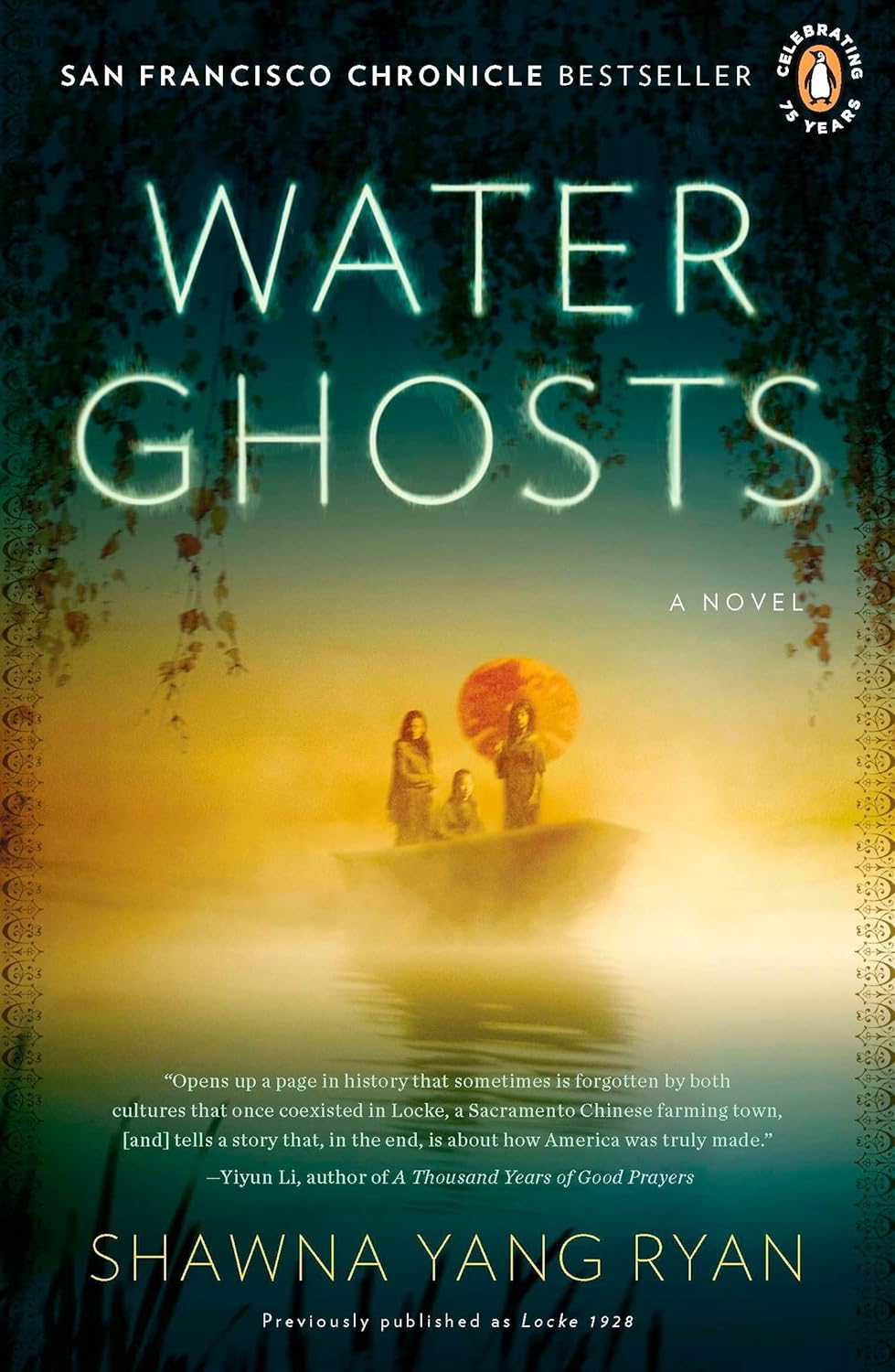
Shawna Yang Ryan, 2007
Locke, California, 1928. Three bedraggled Chinese women appear out of the mist in a small Chinese farming town on the Sacramento River. Two are unknown to its residents, while the third is the long-lost wife of Richard Fong, the handsome manager of the local gambling parlor. As the lives of the townspeople become inextricably intertwined with the newly arrived women, their frightening power is finally revealed. A lyrical imagining of what happens when a Chinese ghost story comes true, Water Ghosts is a rich tale of human passions and mingling cultures that will appeal to readers of Lisa See, Anchin Min, and Gail Tsukiyama.
More Than Any River: A Novel
Victoria Tatum, 2026
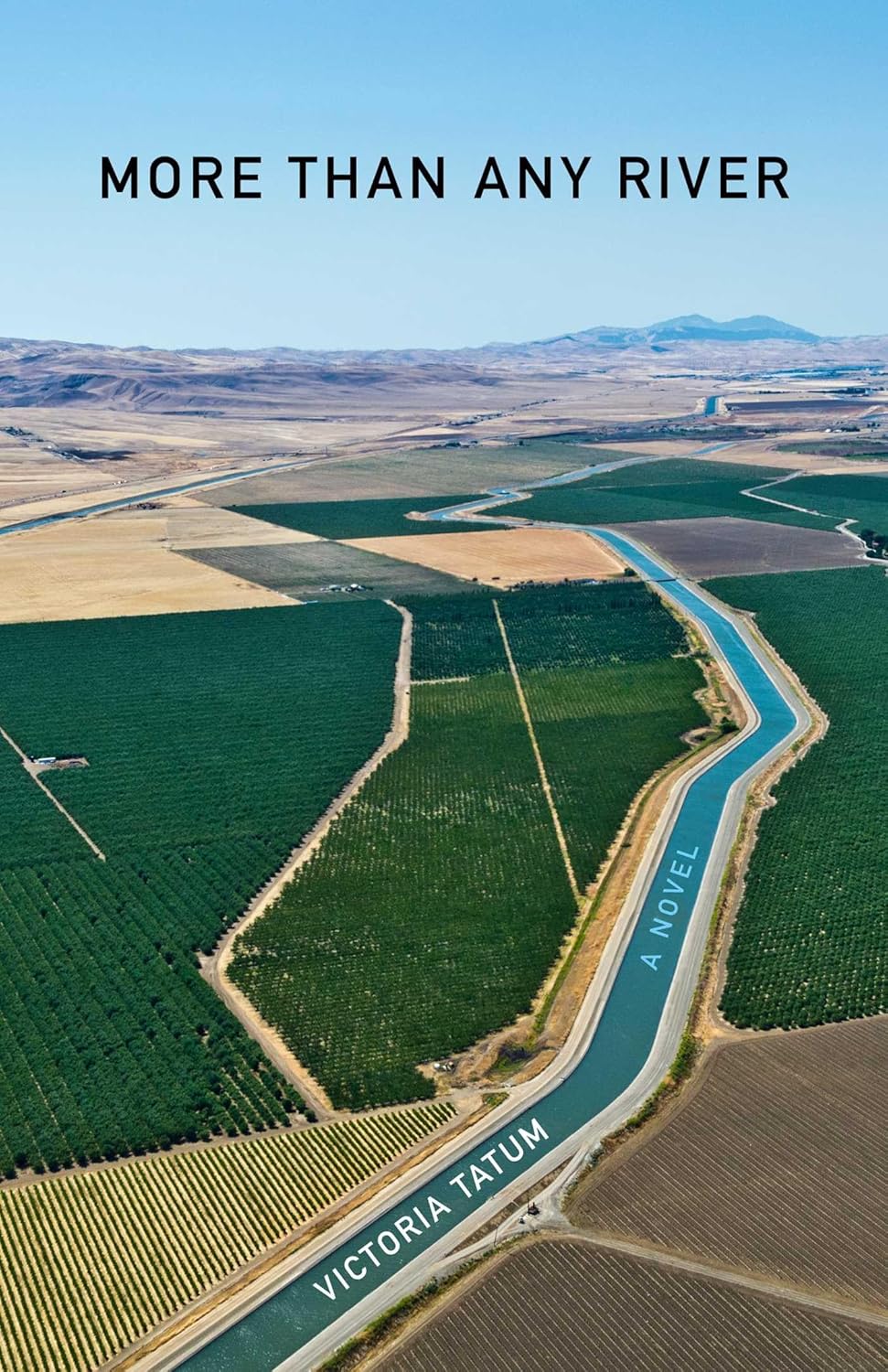
Inspired by true events, this Chinatown-meets–The Grapes of Wrath novel tells the story of California’s Sacramento Delta farmers facing off against agribusiness owners over the massive water tunnel(s) the state plans to build under hundreds of thousands of acres of prime Delta farmland.
Winter 2022-’23 inundated California with as much as three times the average rain and snowfall and pulled the state out of one of its biggest droughts in recorded history. But the truth is that the American West, from the Oregon border down to Mexico, is prone to drought—and in California, the biggest battle for water takes place in the Great Central Valley, where south-of-Delta agribusiness controls every stream feeding into the Sacramento and San Joaquin Rivers. The protagonists of More Than Any River are the family farmers fighting for the Delta, and the antagonist is the big agribusiness controlling its water—but ultimately, the Great Central Valley itself emerges as the central character in this gripping tale of divisive land politics and high stakes.
Drifting Down Delta
Erle Stanley Gardner, 1969
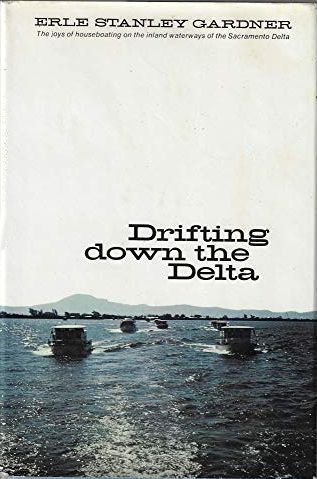
“Erle Stanley Gardner, The joys of houseboating on the inland waterways of the Sacramento Delta. 1969. ‘ Erle Stanley Gardner’s discovery of the Sacramento Delta generated such enthusiasm for its hacyon way of life that he immediately invested in a small “fleet” of boats and subsequently wrote three books about the region, of which this is the third./ Although his primary allegiance is to houseboats ( he owns two River Queens), yachtsmen everywhere will share his enjoyment of exploring the thousand miles of inland waterways, which have made the area a boatman’s paradise. Increasing awareness of the assortment of vacation pleasures available has brought many changes to the Delta, but Mr. Gardner’s delight in its infinite variety remains immutable.” from front flap. Story of a man exploring the Delta in the 1960’s. Illustrated with b&w photographs.
The world of water: Exploring the Sacramento Delta
Erle Stanley Gardner, 1965
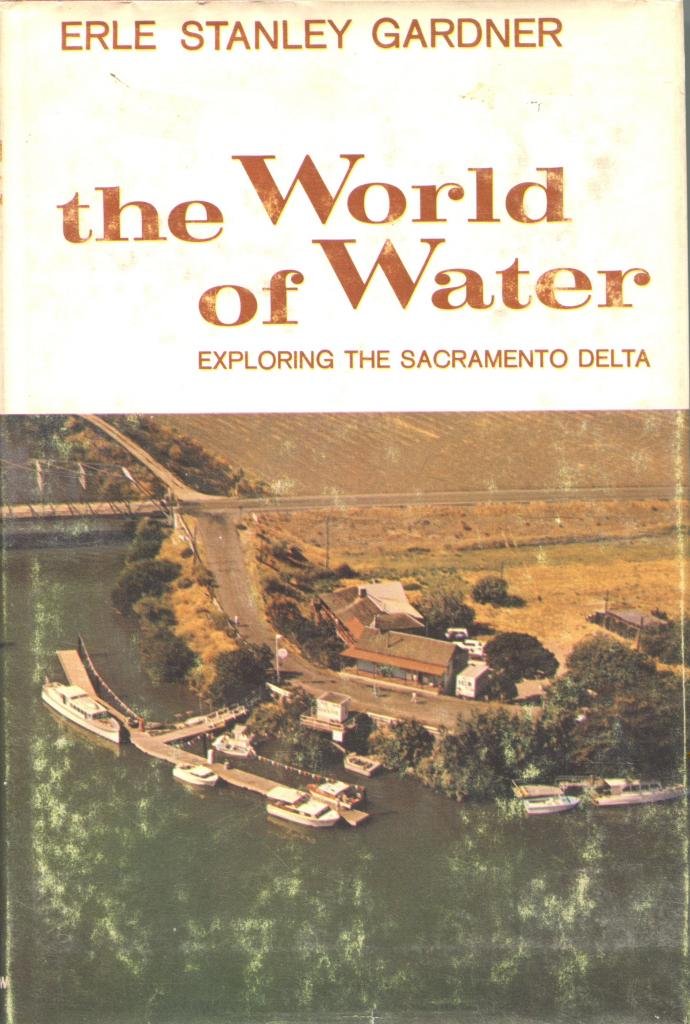
Travel narrative and regional exploration of the Sacramento Delta by Erle Stanley Gardner (1889-1970), best known as the creator of the Perry Mason detective series.[From jacket flaps] Ever alert to fresh pastures and new adventure, Erle Stanley Gardner discovers the Sacramento Delta country of California. This is a maze of inland waterways formed by the Sacramento, Mokelumne and San Joaquin Rivers. As yet not widely known, this boating paradise has become a second home to Erle Stanley Gardner. When he discovered the joys of living on the waterways, with characteristic enthusiasm he invested in six boats: two for living and four for transportation and maneuverability. The description of outfitting the houseboats alone is an adventure in itself, but the obvious enjoyment of the tranquility of life aboard them or along the shady banks or visiting small almost forgotten towns which were once bustling ports in steamboat days, opens up new and delightful vistas for the armchair sailor. In addition, Mr. Gardner has covered the area by helicopter and photographed the numerous sloughs and lagoons and activities they offer, such as sailing and water-skiing. Profusely illustrated, The World of Water should appeal to the ever-increasing numbers of boating enthusiasts.
Gypsy Days on the Delta: Carefree Adventure Cruising the Inland Waterways of the Sacramento Delta
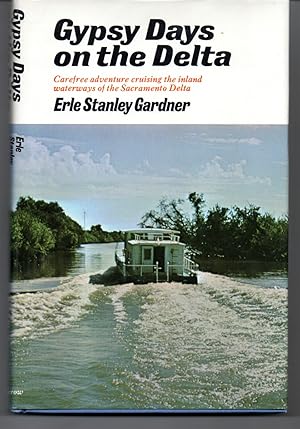
Erle Stanley Gardner, 1967
Nonfiction
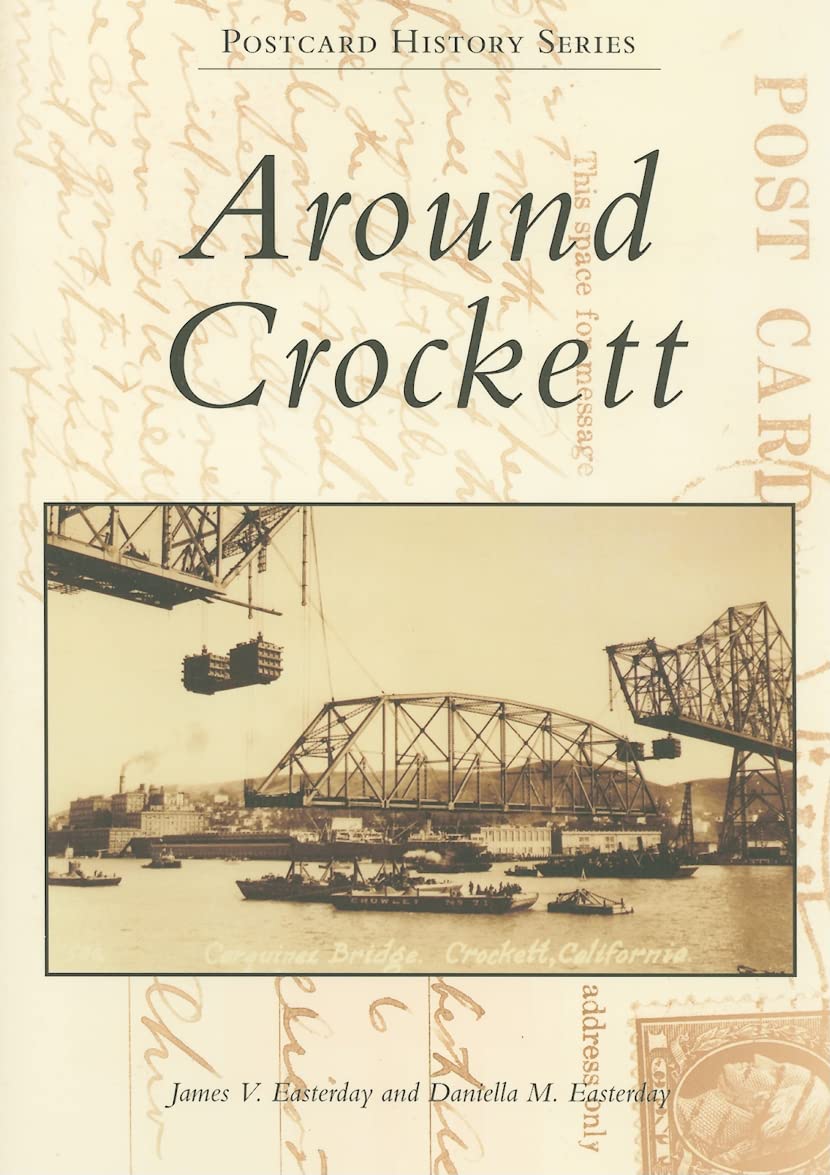
Around Crockett
James V. Easterday, Daniella M. Easterday, 2008
The territory around Crockett may seem little more than a nook along the Carquinez Strait in West Contra Costa County, but it was once home to many small towns. Although independent, each town relied on the others for goods and services. Using vintage postcards, readers will take a trip through the region’s past, visiting Crockett, the Selby Smelting and Refining Company, Vallejo Junction, Carquinez Bridge, Valona, C&H Sugar Factory, Scow Town, and Port Costa along the way.
The Benicia State Capitol
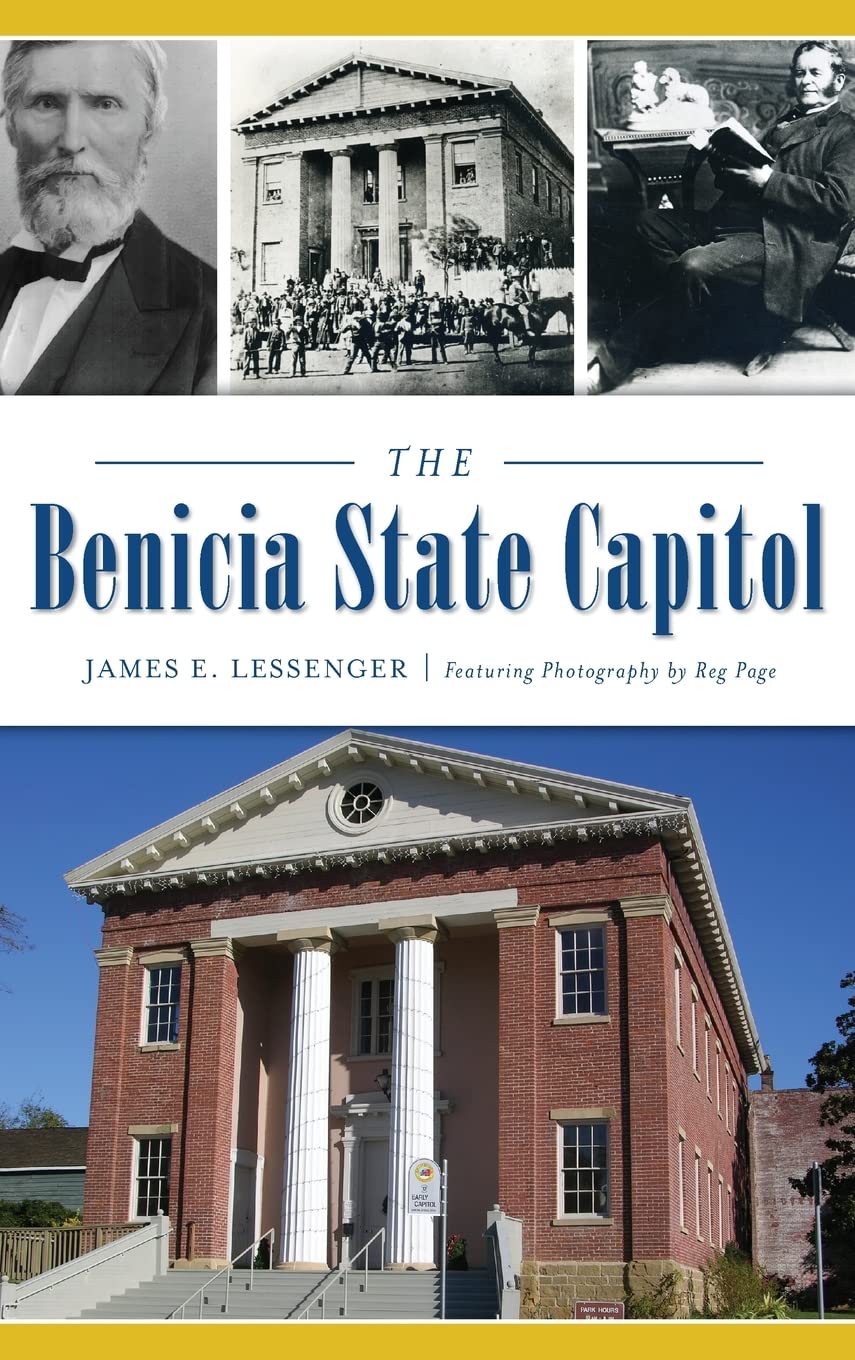
Dr. James Lessenger, 2019
Lessenger provides an inside look at the politics at play in the fledgling Golden State and their effect on the ambitions of Benicia. In February 1853, Benicia was chosen as the third capital of the new state of California. Along with San Jose, Vallejo and Sacramento, Benicia had been vying for the honor of hosting the legislature, and competition was fierce. Benicia was not the first choice, nor did it have what many politicians considered critical amenities, but it had something the others didn’t: a beautiful, Greek-style capitol building available for use. Political rivalries and land disputes would eventually cause Sacramento to be awarded the capital, but for nearly thirteen months, Benicia held that distinction.
Bitter Melon: Inside America’s Last Rural Chinese Town
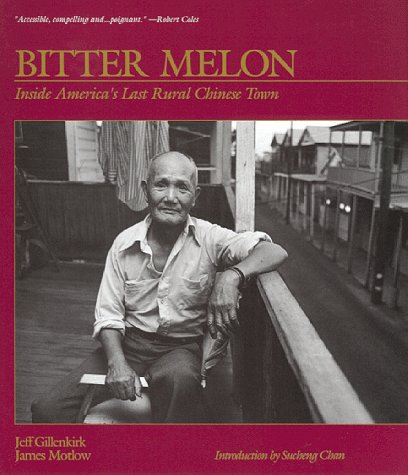
Jeff Gillenkirk, James Motlow, 1993
At the turn of the century, the Sacramento Delta was home to thousands of Chinese immigrants. By day, laborers engaged in the back-breaking work of building the levees and harvesting crops. After work, many of them returned to the bustling, safe town of Locke. Locke, with its single-family homes, stores, saloons, restaurants, boarding houses, school, five gambling dens, and two brothels was the only village in the United States built and inhabited exclusively by Chinese. With vivid historical and contemporary photographs and poignant oral histories with the residents of Locke, Bitter Melon tells the largely forgotten story of the Chinese pioneers who came to California during the time of the Exclusion Act.
Building the Benicia-Martinez Bridge
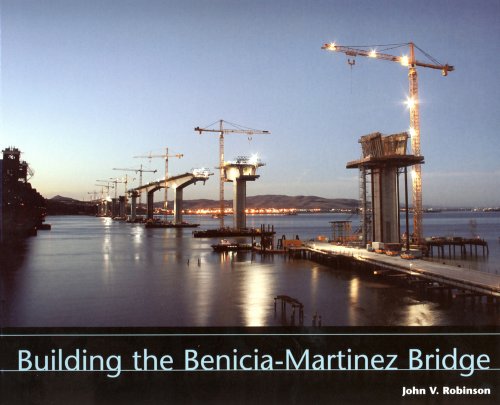
Robinson, John V., 2007
The summer of 2007 marked the opening of the new Benicia-Martinez Bridge that spans the eastern end of the Carquinez Strait between Solano and Contra Costa Counties. Building the Benicia-Martinez Bridge traces the history of the existing bridges and documents the construction of the new bridge built by Kiewit Pacific Company. Author and photographer John V. Robinson documents how the construction team overcame challenging engineering and environmental obstacles and successfully steered the project from design to completion. This book provides a tribute to the engineers who solved the technical problems and the workers who labored to make the bridge a reality.
Carquinez Bridge: 1927-2007
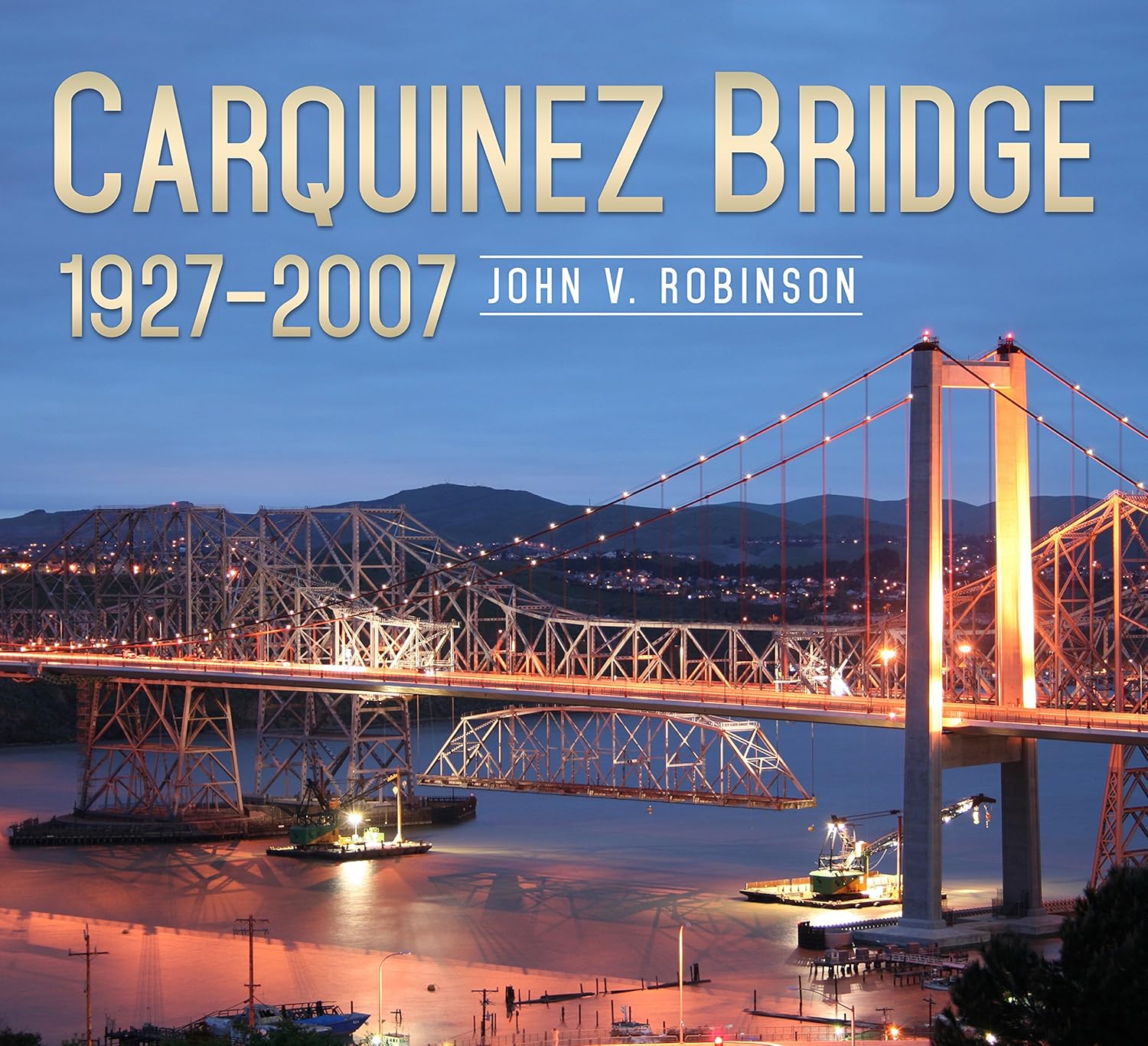
John V. Robinson, 2016
On May 21, 1927 the Carquinez Bridge opened to traffic between Crockett and Vallejo, California. Just a few miles north of San Francisco, the Carquinez Bridge was the longest highway bridge in the world when it opened. In this book John V. Robinson takes readers on a photographic journey through time as he documents the birth, life, and death of one of America’s great bridges.
Dawdling on the Delta
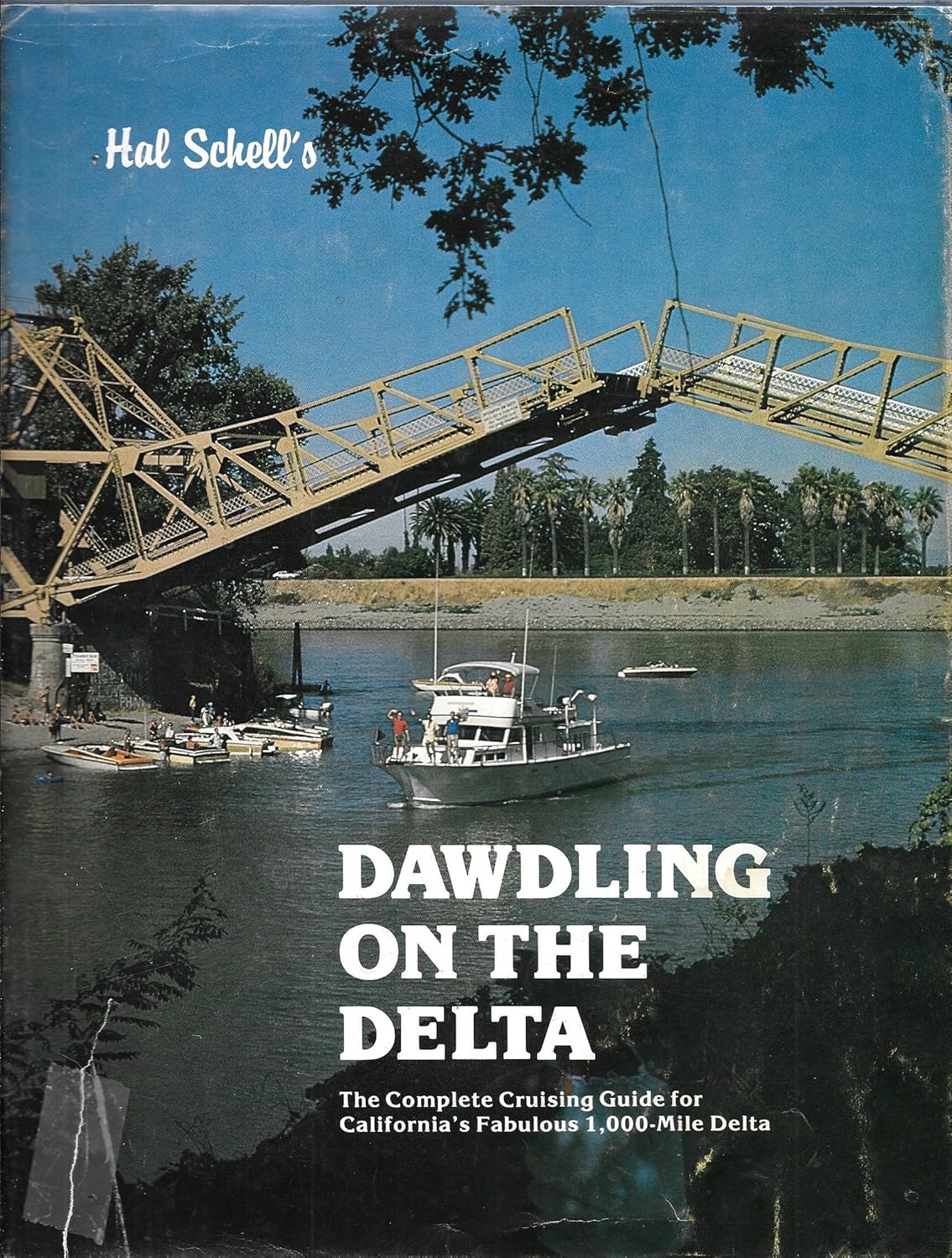
Hal Schell, 1979
Provides detailed information about the Delta, including maps, charts, and photos, helping readers navigate the waterways and understand the geography. The book is aimed at boaters and anyone interested in the California Delta, offering insights into its unique features and attractions.
Delta Stories
Sacramento River Delta Historical Society, 2025
East Contra Costa County
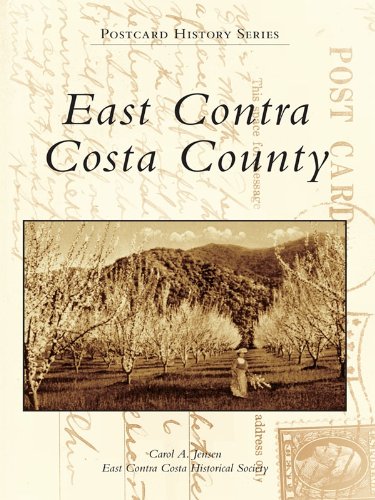
Carol Jensen, East Contra Costa Historical Society, 2007
The terminus of the first overland immigrant pack train destined for California was John Marsh’s adobe, Brentwood. Since 1841, East Contra Costa County has been a grain and fruit basket to the world, a recreational playground for resort living, and a home for health and family life. Its wheat was exported for brewing Guinness beer, and fresh apricots, peaches, and cherries still bring produce fanciers for summer harvest. Weekenders houseboat, wakeboard, and fish through the region’s thousands of miles of delta waterways. This sentimental history of the communities of Brentwood, Bethel Island, Byron, Discovery Bay, Knightsen, and Oakley reveals the importance of these California Delta communities in settling and developing the Golden State.
Ghost Stories from the San Joaquin Delta: Mystery, History and the Unexplained
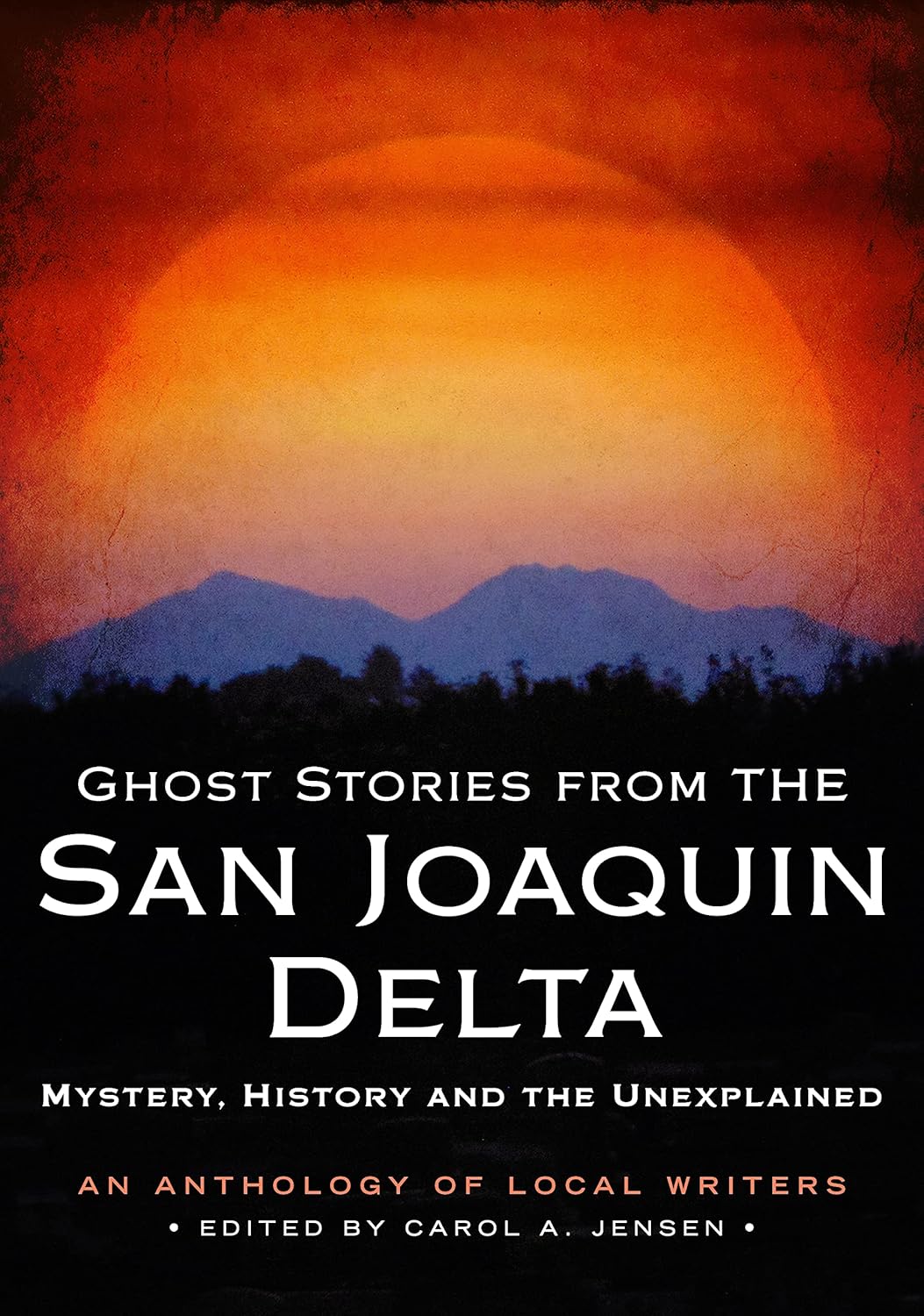
Carol A. Jensen, 2021
Ghost Stories from the San Joaquin Delta provides an introduction to local history through stories that reflect our culture and identity. Tule fog, railroads, waterways and remote homesteads provide a rich canvas upon which local legends are built. Once home to the wealthiest pioneers in California, few today remember John Marsh. Point of Timber, populist political wars, and ritualistic murders were once known in far eastern Contra Costa County. Truth is stranger than fiction as creation stories, cultural myths, extraordinary deaths, and unsolved mysteries from the California Delta heartland are revealed.
Imagining the Sacramento–San Joaquin River Delta: An Anthology of Voices Across Centuries
Robert R. Benedetti, 2022
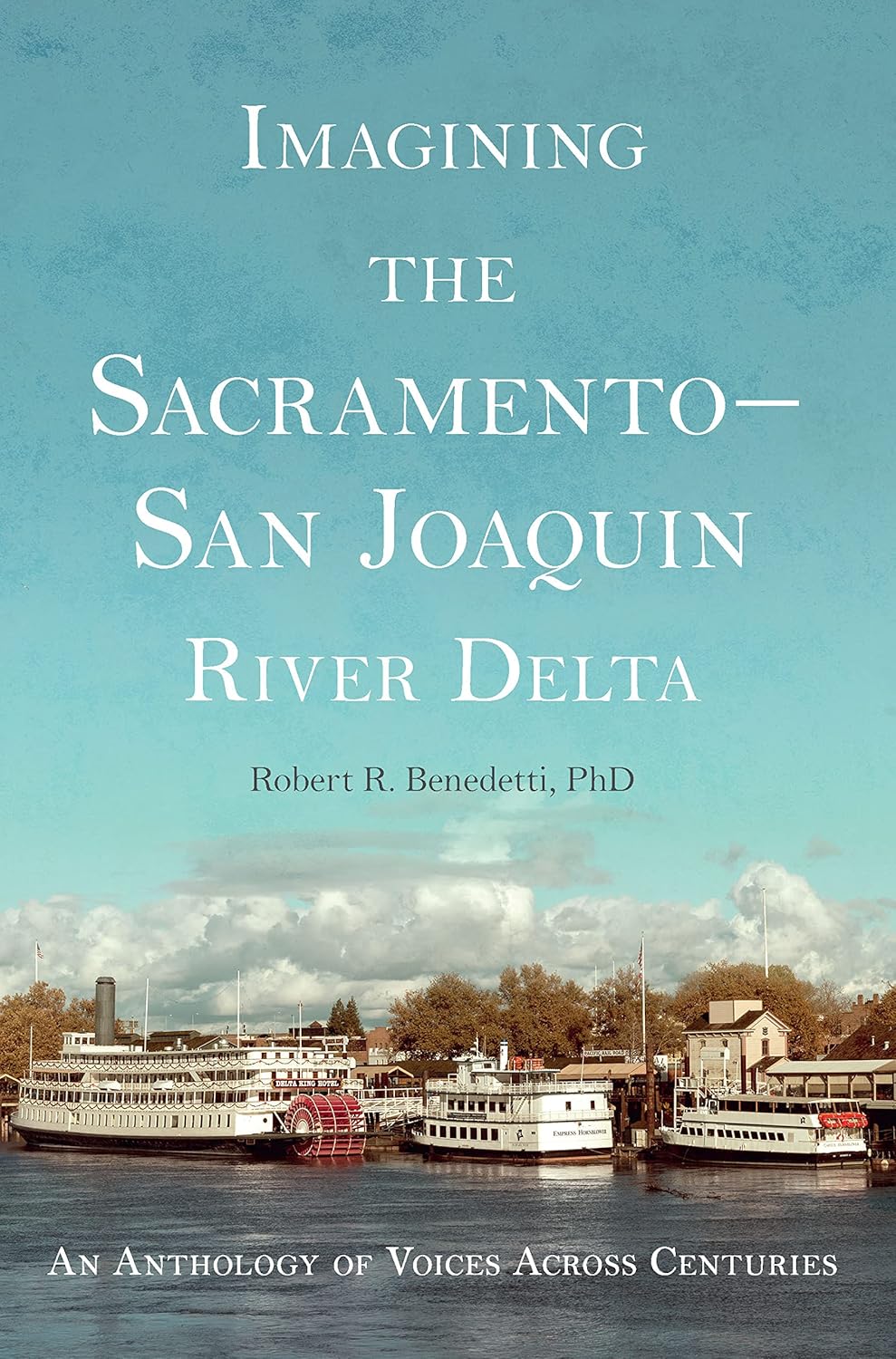
From native peoples to today’s inhabitants, this anthology collects Delta stories. For native peoples, the Delta satisfied mind, body, and spirit. For the Spanish recruiting native labor and souls, it was dangerous. The rancheros understood its agricultural worth but suffered when it became the highway to gold. However, farmers won a prohibition of some mining practices and the right to drain swamps. Levees and transportation improved, but tensions between investors and farmers erupted. Responding to trends throughout California, this anthology chronicles unique voices from Delta inhabitants across generations.
King and Queen of the River: The Legendary Paddle-Wheel Steamboats Delta King and Delta Queen
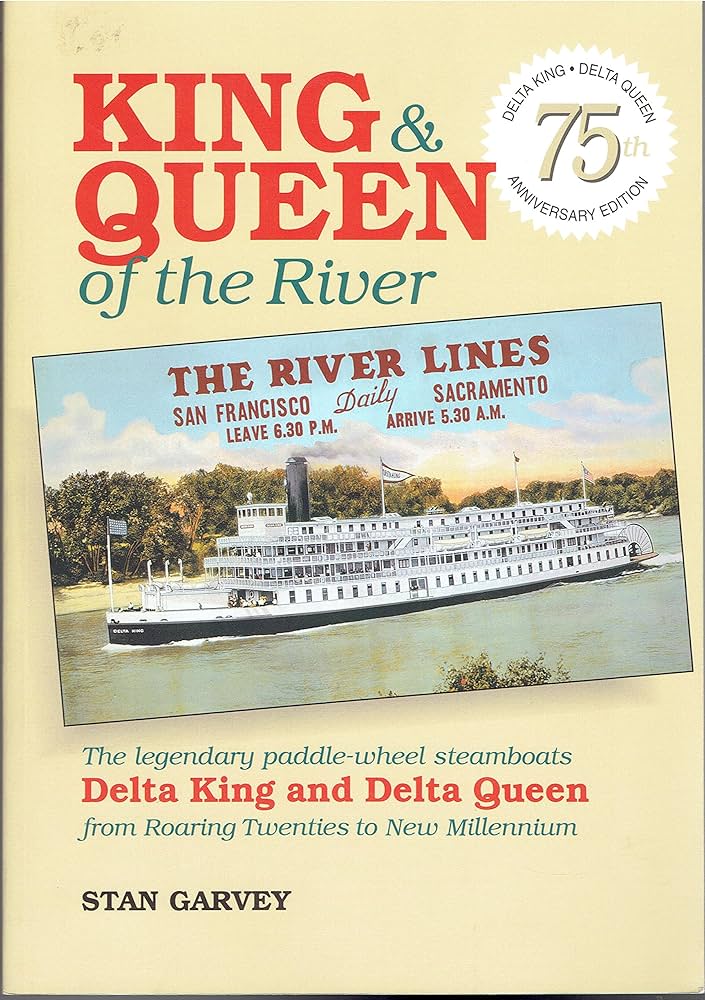
Garvey, Stan, 2002
From their birth in the Roaring Twenties, the Delta King and Delta Queen paddle-wheel steamboats battled against the odds. As a legendary royal pair, these monarchs of the river ran each night between San Francisco and Sacramento from 1927 to 1940. This rousing true story written by Stan Garvey, a noted Bay Area historian and writer, captures the romance, struggle, and adventure of California’s last and most revered paddle-wheel steamers. Through lively interviews, anecdotes, photos, maps, and lyrical prose, King & Queen of the River covers the unknown story of these legendary steamboats from the Roaring Twenties to the 1990s.
Little Manila is in the Heart: The Making of the Filipina/o American Community in Stockton, California
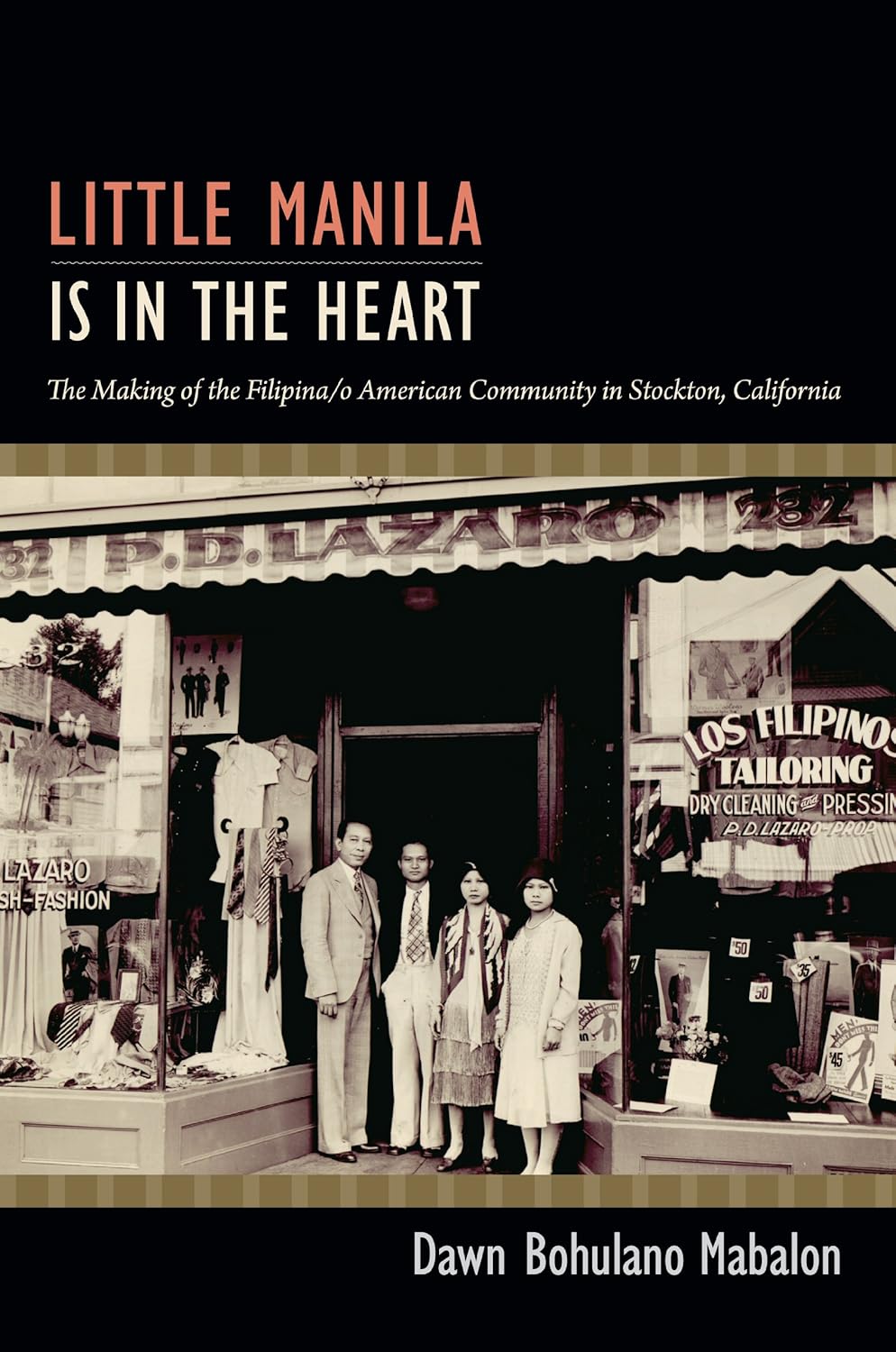
Dawn Bohulano Mabalon, 2013
Narrating a history spanning much of the twentieth century, Dawn Bohulano Mabalon traces the growth of Stockton’s Filipina/o American community, the birth and eventual destruction of Little Manila, and recent efforts to remember and preserve it. Mabalon draws on oral histories, newspapers, photographs, personal archives, and her own family’s history in Stockton. She reveals how Filipina/o immigrants created a community and ethnic culture shaped by their identities as colonial subjects of the United States, their racialization in Stockton as brown people, and their collective experiences in the fields and in the Little Manila neighborhood.
Looking Back: Tales of Old Antioch and Other Places
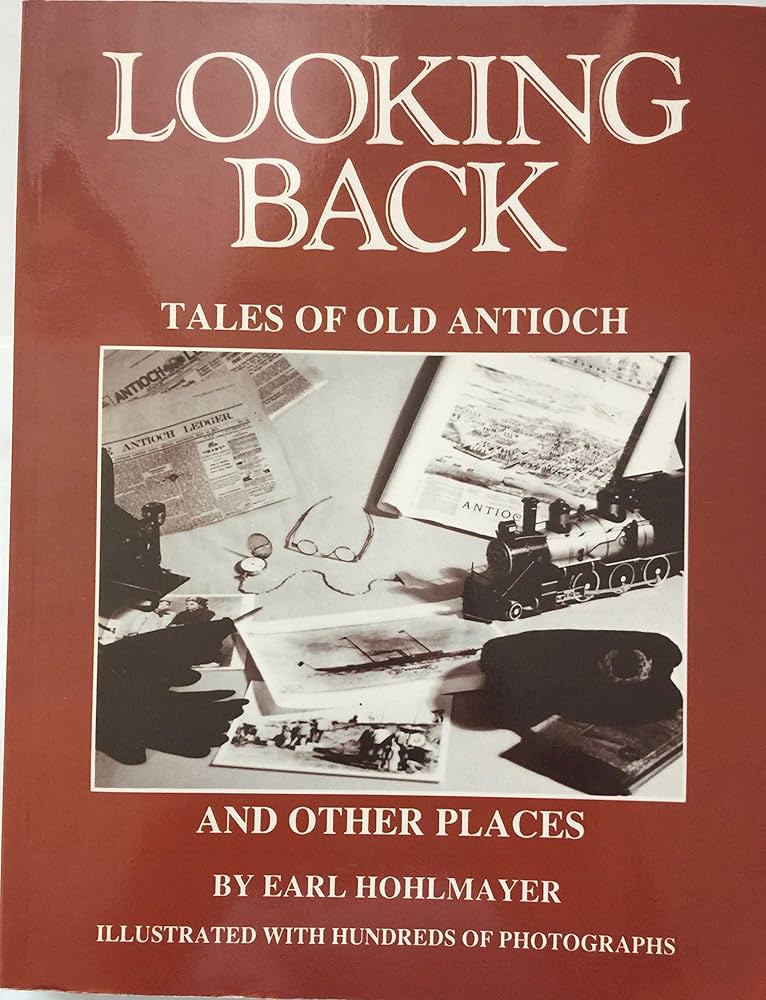
Hohlmayer, Earl, 1991
This is the first book in historian Earl Hohlmayer’s “Looking Back” series. The book, which features hundreds of photographs, details the founding of Antioch and its early history, including the story of its christening on July 4, 1851, a scene depicted in a historical mural in the city’s downtown.
Lower Georgia Street: California’s Forgotten Barbary Coast
Brendan Riley, 2017
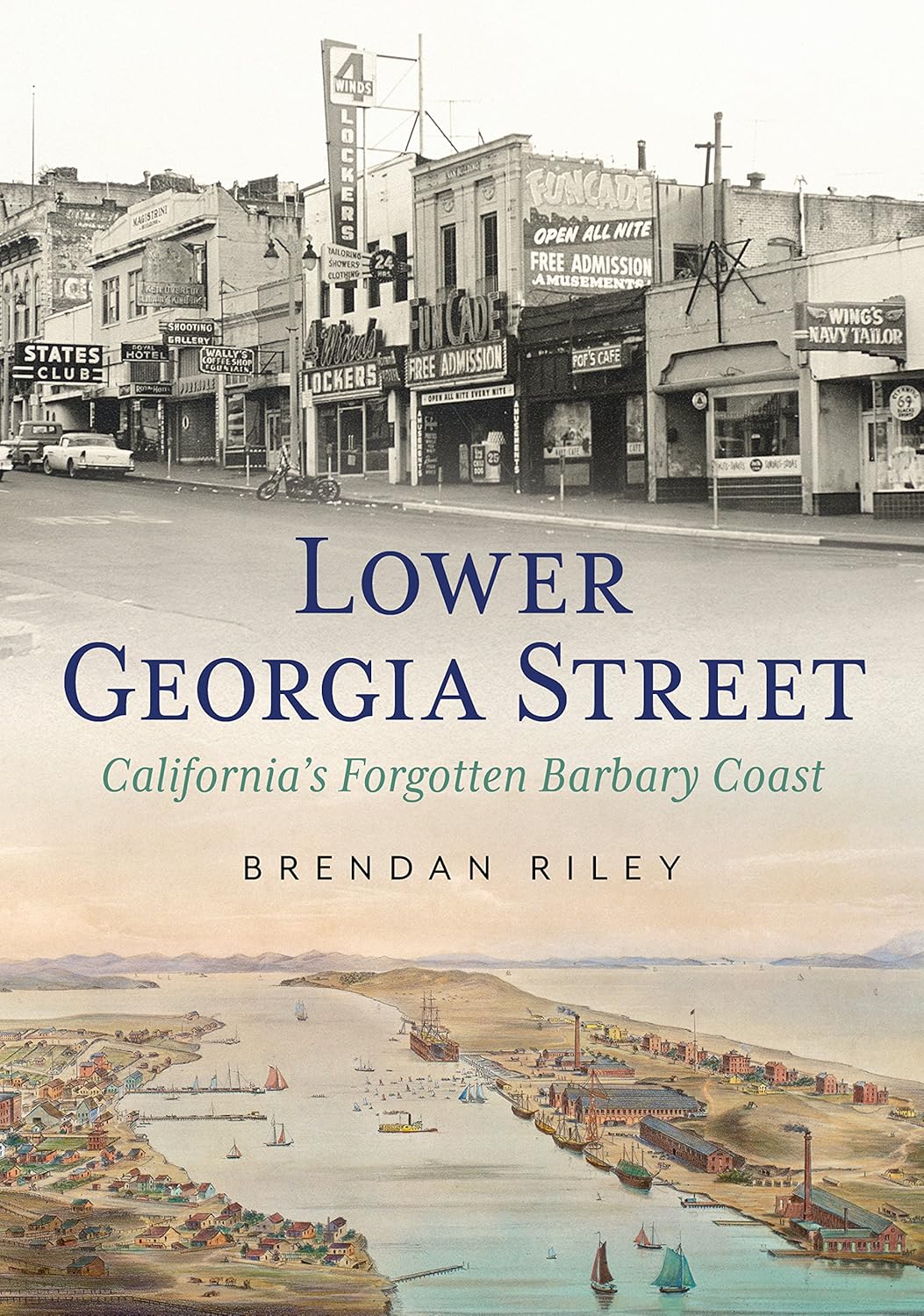
It was a sailor’s dream: more than 100 bars, casinos and whorehouses, just a short boat ride across the Napa River that separated the sprawling Mare Island Naval Shipyard from Vallejo, California. Why bother to head for San Francisco, about 25 miles to the south, when you could raise hell in Vallejo’s Lower Georgia Street district?
This was the city’s original business zone, but over time the grocery stores, clothing shops and offices for doctors and lawyers were replaced by brightly lit joints that appealed to the sailors. Every time the United States got involved in wars, there were dramatic expansions in shipyard construction and repair. That meant big business for Lower Georgia Street as sailors on liberty poured into town. Top Navy brass made repeated demands on the city to clean up the problems. The district would improve, but only temporarily. In Vallejo, nothing before or since was as wild as the Lower Georgia district during World War II.
Oakley Through Time
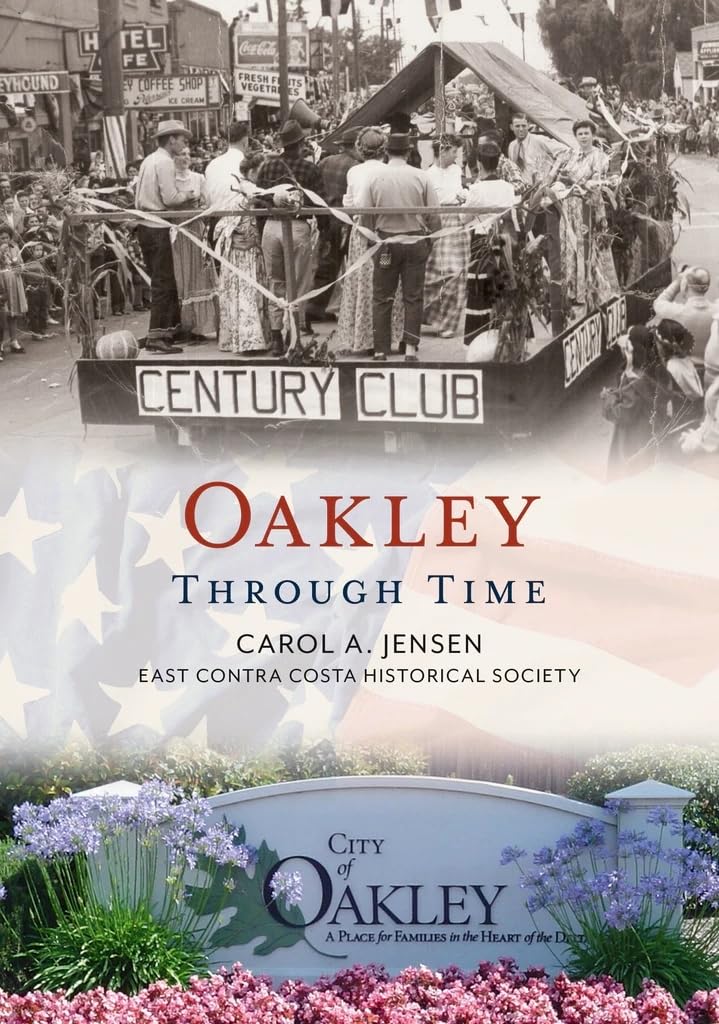
Carol A Jensen, East Contra Costa Historical Society, 2019
The settlement and development of Oakley is the story of a thriving California pioneer town. Nestled in California’s San Joaquin Delta, the area quickly became San Francisco’s easternmost frontier for land speculation, agricultural production, and immigration. By 1900, land speculators enticed Portuguese, Spanish, and Italian immigrants to settle in Oakley and establish their families. Located away from the deep water of San Francisco Bay, Oakley became a railroad town along the Santa Fe line. Here the stories of immigration and community development played out as they have in small towns throughout the West. Twentieth-century wars, food production, and changing transportation methods reshaped the tight-knit community over the years. Oakley Through Time provides a local history of a town, plus insights into our immigrant culture and California identity. Presented here in vintage photographs from important state and local historical society archives is the evolving and endearing community of Oakley. Combined with Jensen’s prose, these images showcase the progression of a small California town in the era of real estate speculation, horse farms, and railroad produce terminals to self-sustaining San Francisco Bay Area suburb.
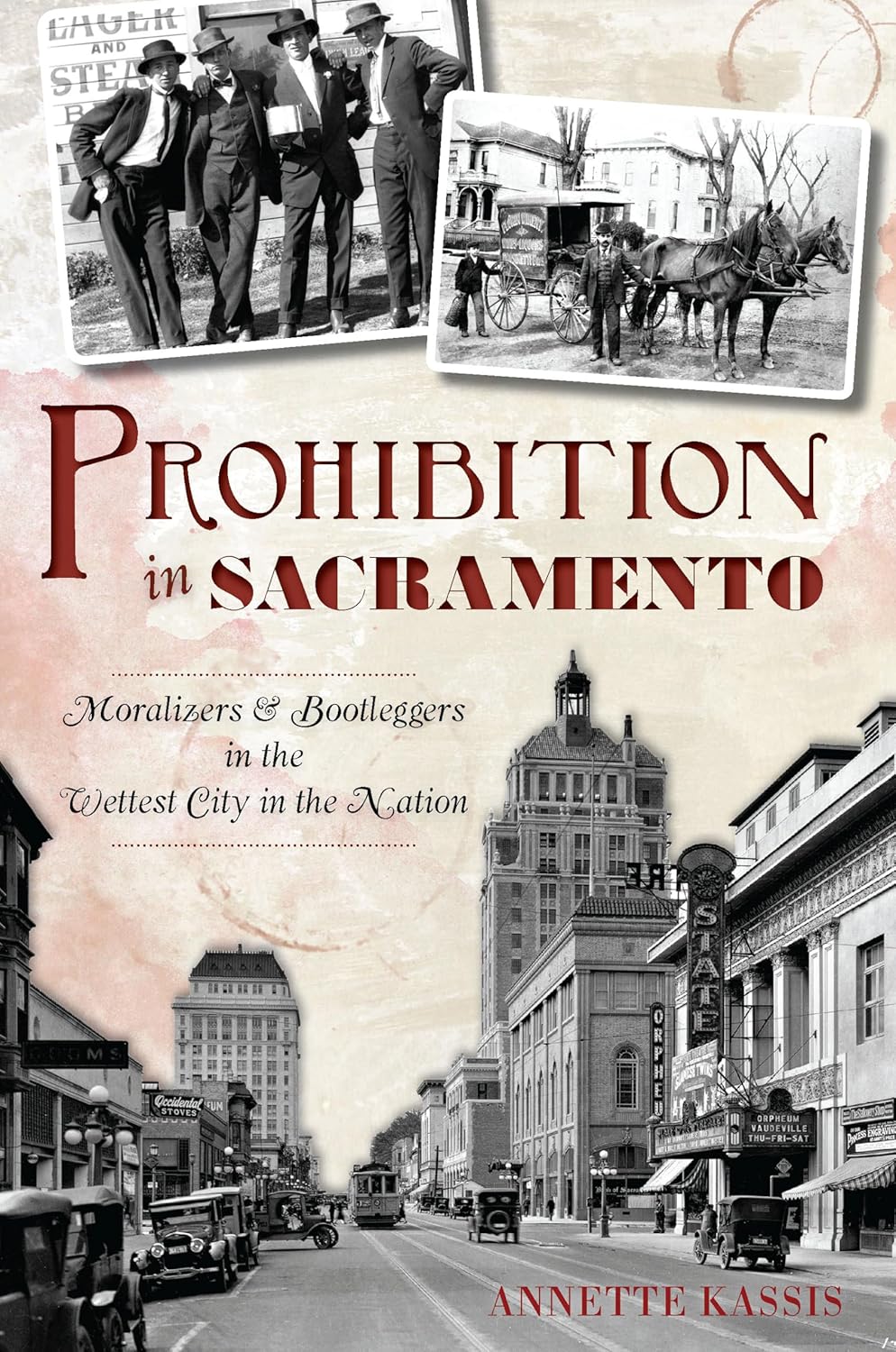
Prohibition in Sacramento: Moralizers & Bootleggers in the Wettest City in the Nation
Annette Kassis, 2014
Sacramento’s open opposition to Prohibition and ties to rumrunning up and down the California coast caused some to label the capital the wettest city in the nation. The era from World War I until the repeal of the Eighteenth Amendment brought Sacramento storied institutions like Mather Field and delightful surprises like a thriving film industry, but it wasn’t all pretty. The Ku Klux Klan, ethnic immigrant hatred and open hostility toward Catholics and Jews were dark chapters in the Prohibition era as Sacramento began to shape its modern identity. Join historian Annette Kassis on an exploration of this wet–and dry–snapshot of the River City.
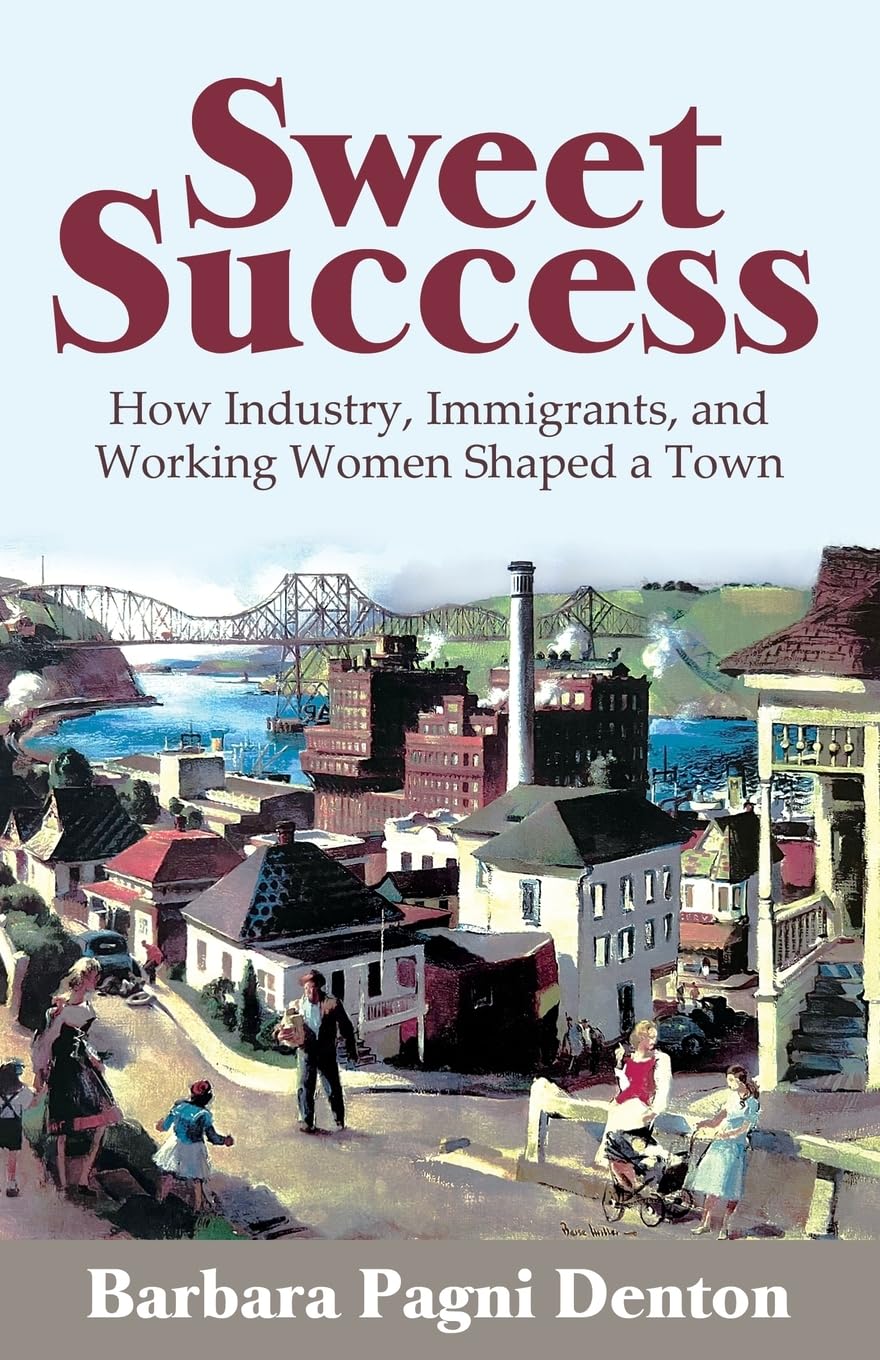
Sweet Success: How Industry, Immigrants, and Working Women Shaped a Town
Barbara Pagni Denton, 2024
Sweet Success is a vivid narrative of a California company town – Crockett – as it evolved in the 20th century. It weaves a rich tapestry of Italian immigrants, women, and industry, forging a vital community. Crockett succeeded more than most, leaving a legacy of stories and vintage cake recipes.
Vanishing Vallejo: Random History Notes on a Northern California Town
Brendan Riley, 2022
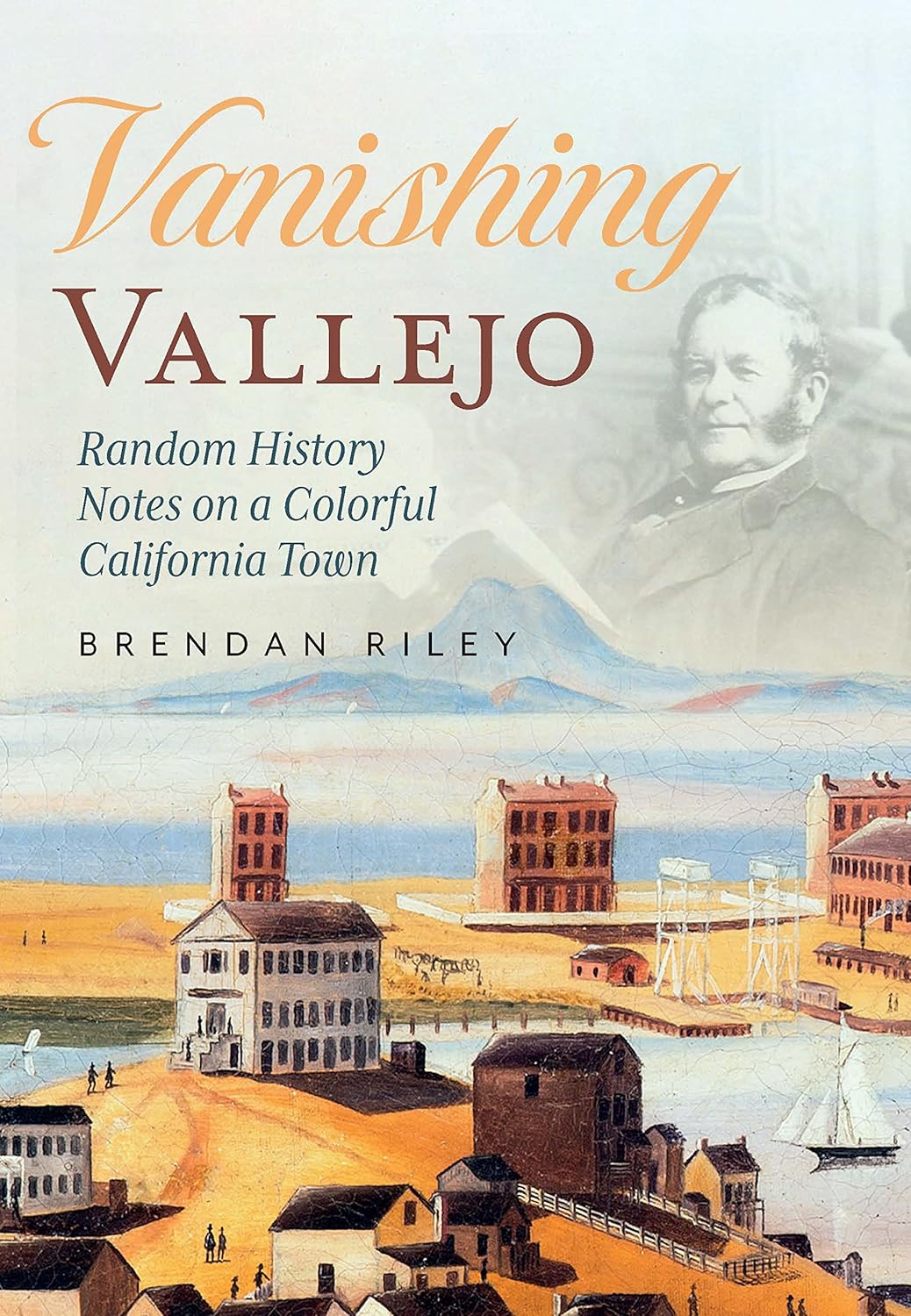
The columns in this book focus on the colorful and fascinating history of Vallejo, a shipyard town just north of San Francisco. The writing began following the publishing of author Brendan Riley’s book about Vallejo’s infamous sailor district, Lower Georgia Street: California’s Forgotten Barbary Coast. In the course of writing the book, he amassed a small mountain of notes, files, photos, and other materials that dealt with many other aspects of Solano County history. The author hopes that putting these columns into book form will help to preserve some of Vallejo’s very colorful history and perhaps encourage future storytellers to do more research and unearth additional details that will advance and improve upon what’s written in this book.
The Woman Warrior: Memoirs of a Girlhood Among Ghosts

Maxine Hong Kingston, 1976
As a girl, Kingston lives in two confounding worlds: the California to which her parents have immigrated and the China of her mother’s “talk stories.” The fierce and wily women warriors of her mother’s tales clash jarringly with the harsh reality of female oppression out of which they come. Kingston’s sense of self emerges in the mystifying gaps in these stories, which she learns to fill with stories of her own. A warrior of words, she forges fractured myths and memories into an incandescent whole, achieving a new understanding of her family’s past and her own present.
This Bitter Sweet Soil: The Chinese in California Agriculture, 1860-1910
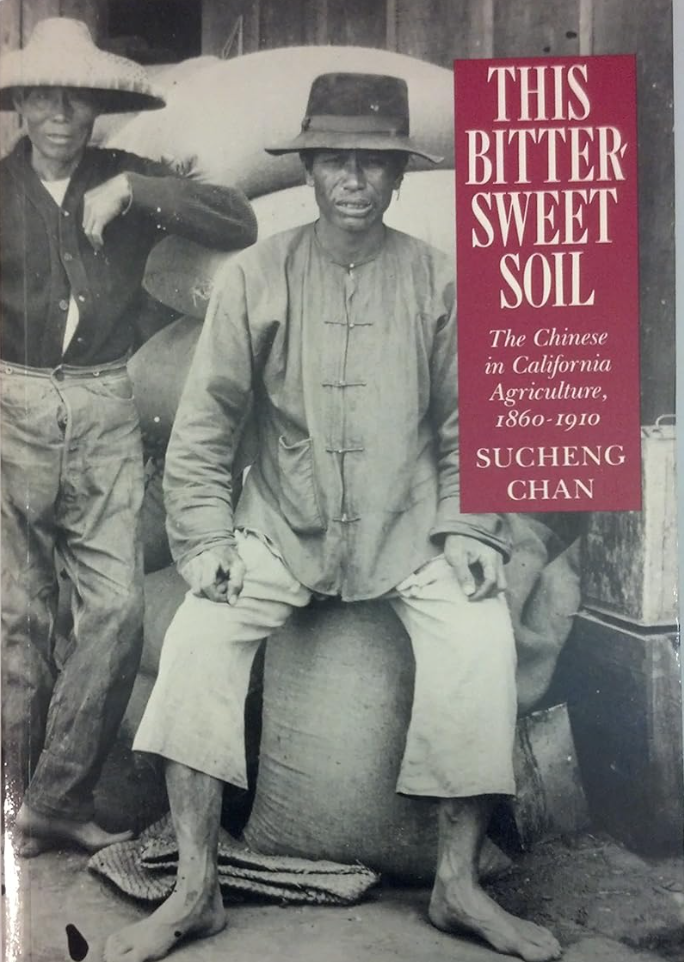
Sucheng Chan, 1986
Based on prodigious research, this book chronicles the activities of the thousands of Chinese agricultural pioneers and entrepreneurs who helped make California the nation’s premier agricultural state.
Images of America Series
Images of America: African Americans in Vallejo
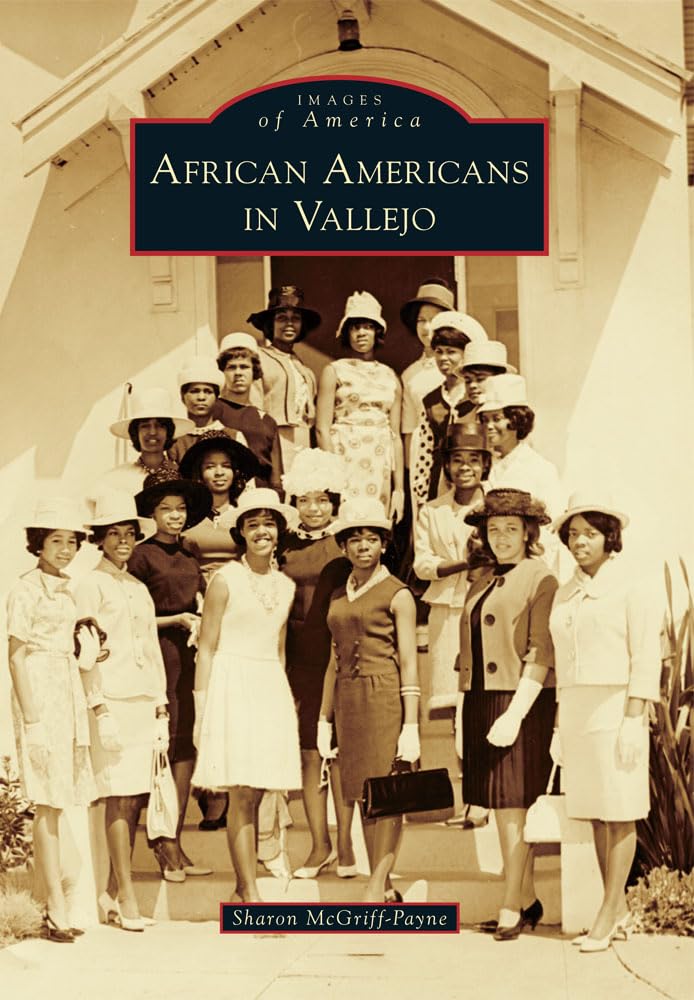
Sharon McGriff-Payne, 2012
African Americans have been part of the Vallejo mosaic since 1850, the year of the North Bay city’s birth. John Grider, a Tennessee native and former slave who arrived in Vallejo in 1850, was one of the city’s earliest residents and a veteran of the California Bear Flag Revolt of 1846. While many 19th-century black pioneers established homes, businesses, and schools, it was during the Great Migration period of 1910-1970s that the bulk of Vallejo’s black community took firm root.
Images of America: Antioch
Antioch Historical Society, 2005
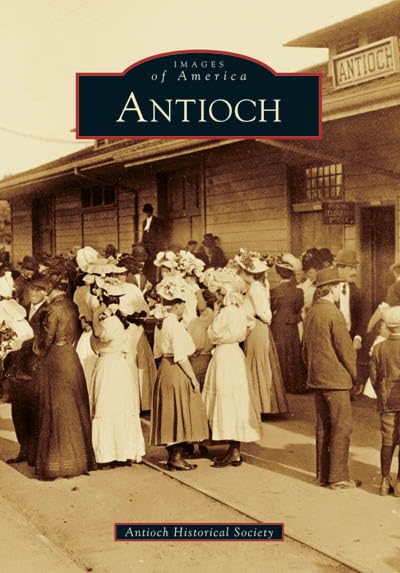
When the first settlers arrived here in 1850, they could never have guessed that their tiny settlement would one day be home to over 100,000 souls, scores of factories, and the gateway to the California Delta with some of the most productive agricultural lands in the world. In earlier days, the Sacramento and San Joaquin Rivers were the main routes into the state’s interior, as the swampy delta land had yet to be tamed. Antioch and nearby Pittsburg served as major depots for supplies to the Sierra gold fields, stockpiling lumber, produce, hay, dry goods, medicine, and fuel from the Stewartville, Empire, and Judsonville coal mines. Named in 1851 after the biblical city in Syria, this town served for many years as the Bay Area’s easternmost outpost and provided its inhabitants with a bounty both man-made and natural.
Images of America: Bay Point
Dean L. McCleod, 2005
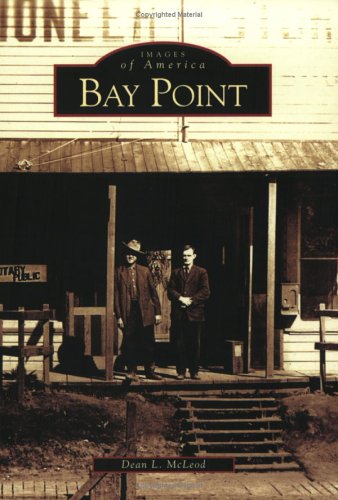
To many commuters driving past Bay Point on nearby Highway 4, it would appear that the community sprang up as a housing development sometime in the very recent past, but its unique history is much more than that. During the frontier days, the area was comprised of ranchers and farmers. The large 19th-century district sprouted smaller neighborhoods at the beginning of the 20th century. Nearby the communities of Clyde, Nichols, and later West Pittsburg, the main town was Bay Point, which changed its name to Port Chicago during the Great Depression. In fact, it wasn’t until 1993 that the historic name was restored to part of the original district. Today, Bay Point is a residential and business destination, home to tens of thousands of people, as well as high-profile corporations.
Images of America: Benicia
Benicia Historical Museum, 2004
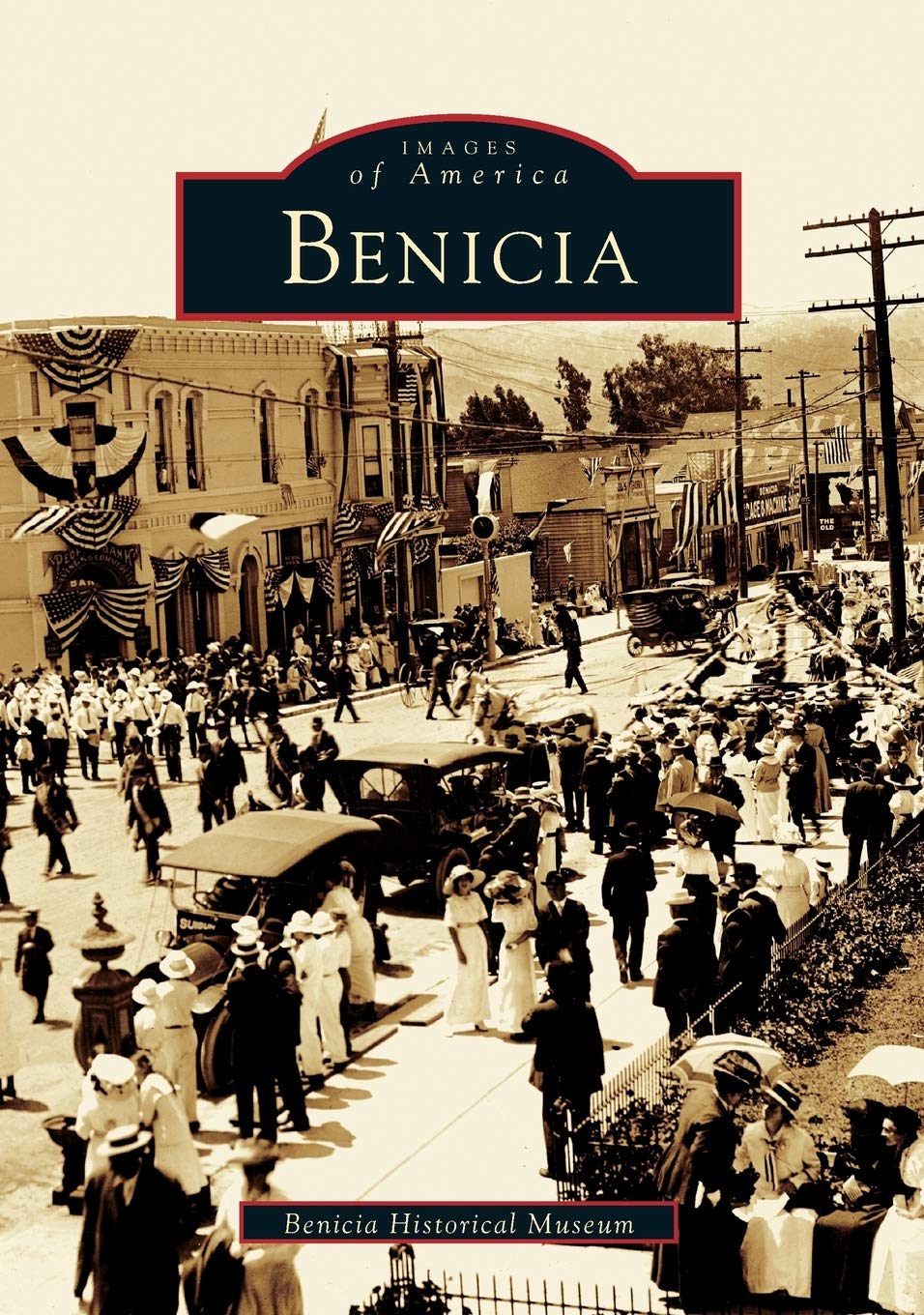
A special Bay light falls on beautiful Benicia, on the north shore of the Carquinez Strait. Two U.S. citizens, Robert Semple and Thomas Larkin, bought the land from Mexican Army General Mariano Vallejo for $100 and the promise to name it for Vallejo’s wife in 1847. The next year a customer at Von Pfister’s Benicia waterfront store let slip the secret of the gold discovery at Sutter’s Mill. Benicia’s deep water harbor attracted Pacific Mail and Steamship Company, the first major California industry, the famous Matthew Turner shipyards, tanneries, and the Central Pacific Railroad, which made Benicia its transcontinental terminus. State legislators made the town their third state capital in 1853.
Images of America: Black Diamond Mines Regional Preserve
Traci Parent and Karen Terhune, 2009
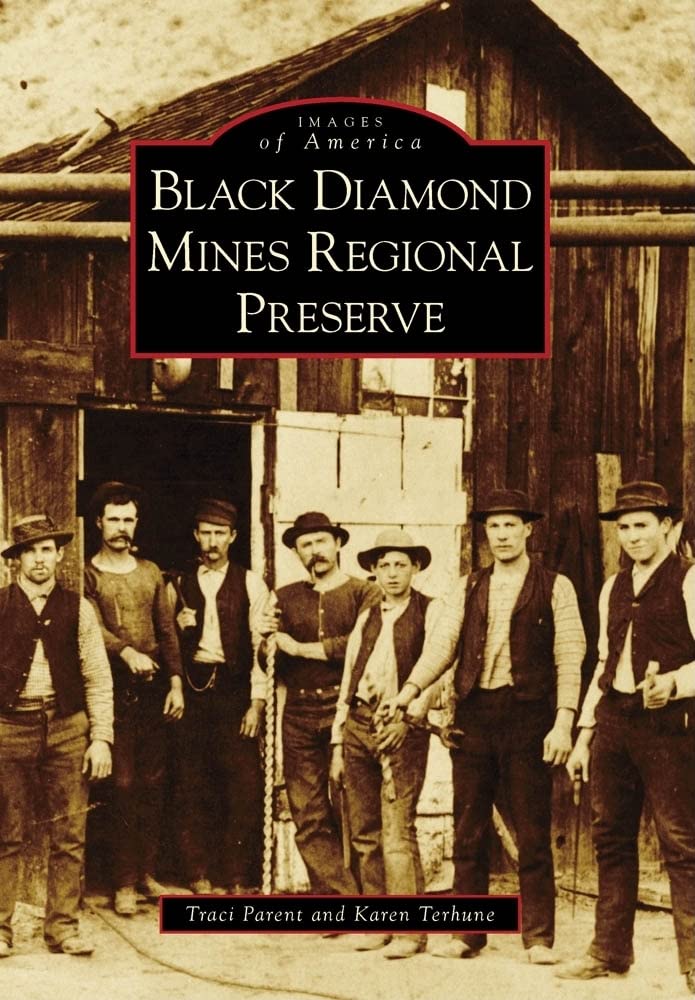
From the 1860s to the turn of the 20th century, the Mount Diablo Coal Field was the largest coal-producing region in California and once boasted five thriving communities. With the decline of coal mining some residents turned to ranching. Later rich deposits of sand were mined for glass and foundry use. In 1973, the East Bay Regional Park District acquired the land. Today visitors to Black Diamond Mines Regional Preserve, located 45 miles east of San Francisco, can explore miles of trails, tour the Hazel-Atlas silica sand mine, and visit historic Rose Hill Cemetery. Drawing mainly from the vast collection of the preserve’s photographs, Traci Parent and Karen Terhune have assembled this compelling pictorial history.
Images of America: Brentwood
Carol Jensen, East Contra Costa Historical Society, 2023
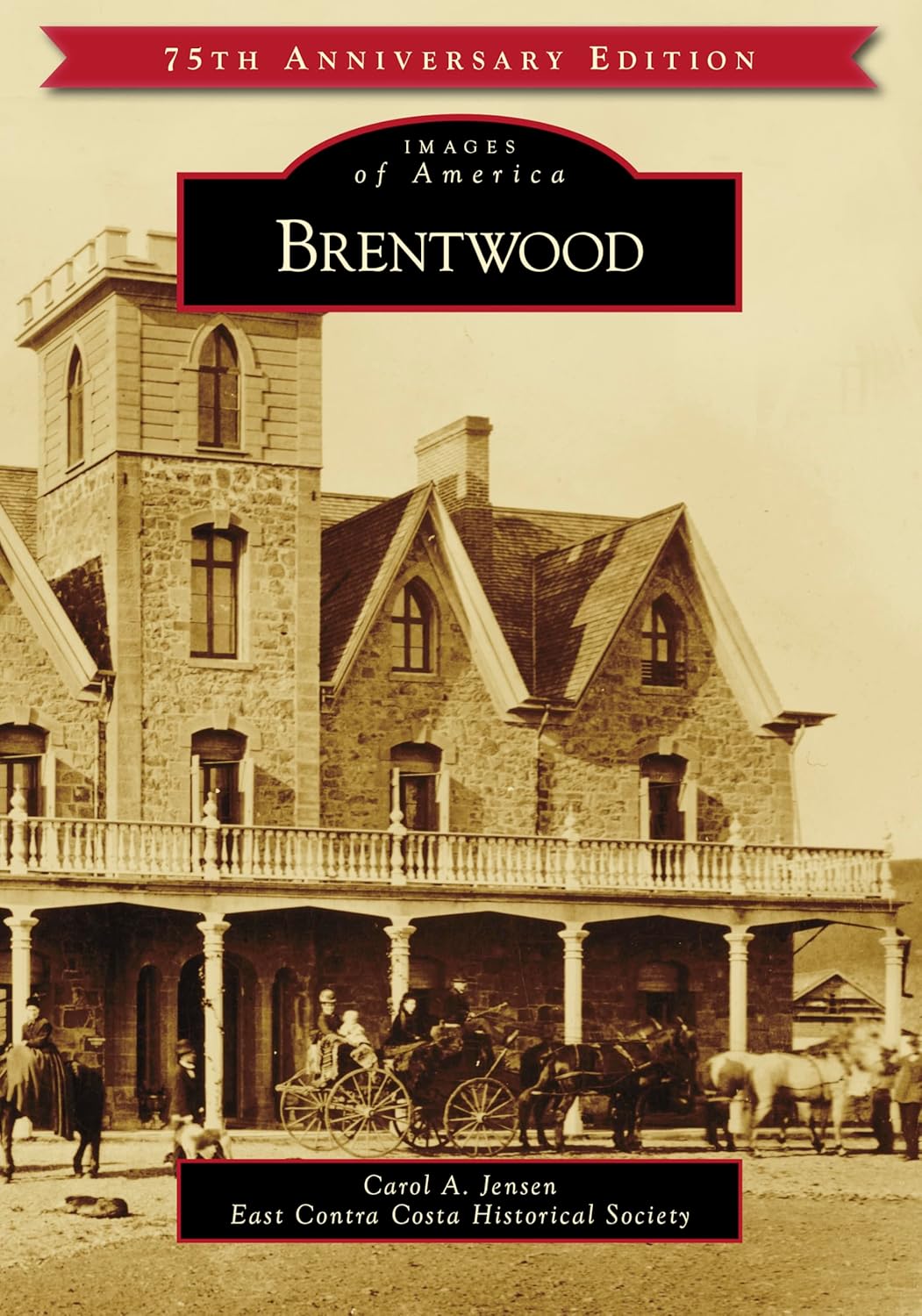
The beautiful Brentwood area of Contra Costa County is the oldest continuously populated community in California inland from the great coastal centers. Californios eschewed this challenging portion of the Central Valley, so pioneering physician John Marsh established a permanent settlement here in 1837 at his Rancho Los Meganos. Soon, the burgeoning viniculture, wheat, orchard, and cattle operations attracted many Gold Rush miners back to their original agricultural callings, now in the California Delta. Combined with Jensen’s prose, these images showcase Brentwood’s progression from rural beginnings as an agricultural stronghold to the modern city of houses, shops, schools, and places of worship we know today.
Images of America: Byron Hot Springs
Carol A. Jensen, East Contra Costa Historical Society, 2006
Byron Hot Springs is sometimes called the “Carlsbad of the West,” after the famed European health spas. The resort hosted the famous, the wealthy, the infirm, and the curious alike during the early 20th century. The 160-acre property, in eastern Contra Costa County near the San Joaquin River, featured three grand hotels designed by renowned San Francisco architect James Reid. Amidst this stylish backdrop were prominent guests in 19th-century finery, early Hollywood royalty, Prohibition entertainments, mineral water “cures” for various ailments, and secret interrogations of World War II POWs (when it was known as “Camp Tracy”). Aside from the hot springs themselves, the resort boasts one of the oldest golf courses in the western United States.
Images of America: Crockett
John V. Robinson, 2004
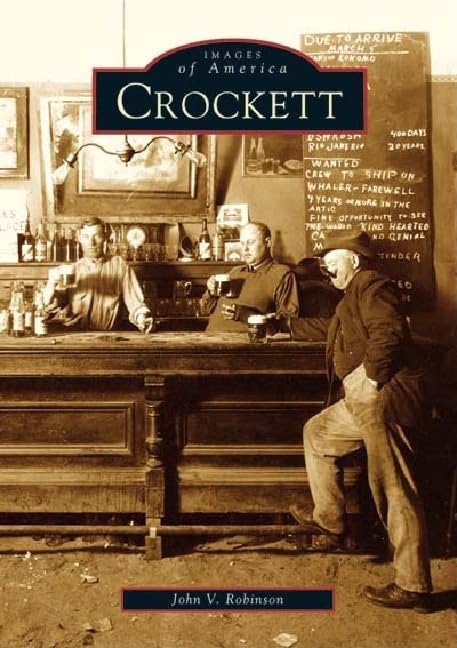
The small town of Crockett rests on the shore of the Carquinez Strait, a narrow shipping waterway running from San Francisco Bay into the Sacramento Delta region. Crockett’s early history was heavily influenced by the shipping industry, and the shoreline was filled with warehouses and wharves. Twin cantilever bridges across the Carquinez Strait at Crockett distinguish the town’s skyline from other ports in the area. A third span was recently added across the strait and named in honor of Crockett native Alfred Zampa. Much of Crockett’s identity has been associated with the C&H sugar refinery, and for more than 50 years, Crockett was a devoted company town.
Images of America: Filipinos in Vallejo
Mel Orpilla, 2005
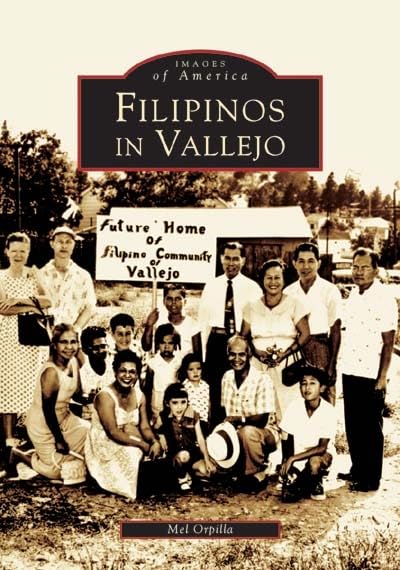
Filipinos came to Vallejo as early as 1912, and some families here can count five generations back to their roots in the Philippines. Many came to Mare Island Naval Shipyard, where Filipinos found steady, well-paying jobs that spared them from menial work and stoop labor in the fields of California. With each major conflict of the 20th century, and finally with the relaxation of immigration quotas in 1965, waves of Filipino newcomers arrived on these shores. They advanced in their work at the shipyards, settled down, and started families, buying homes and establishing successful businesses. Now this active, politically empowered Filipino community numbers in the tens of thousands, yet traditional histories ignore its contribution to Vallejo’s heritage.
Images of America: Hercules
Jennifer Posedel, Stephen Lawton, 2011
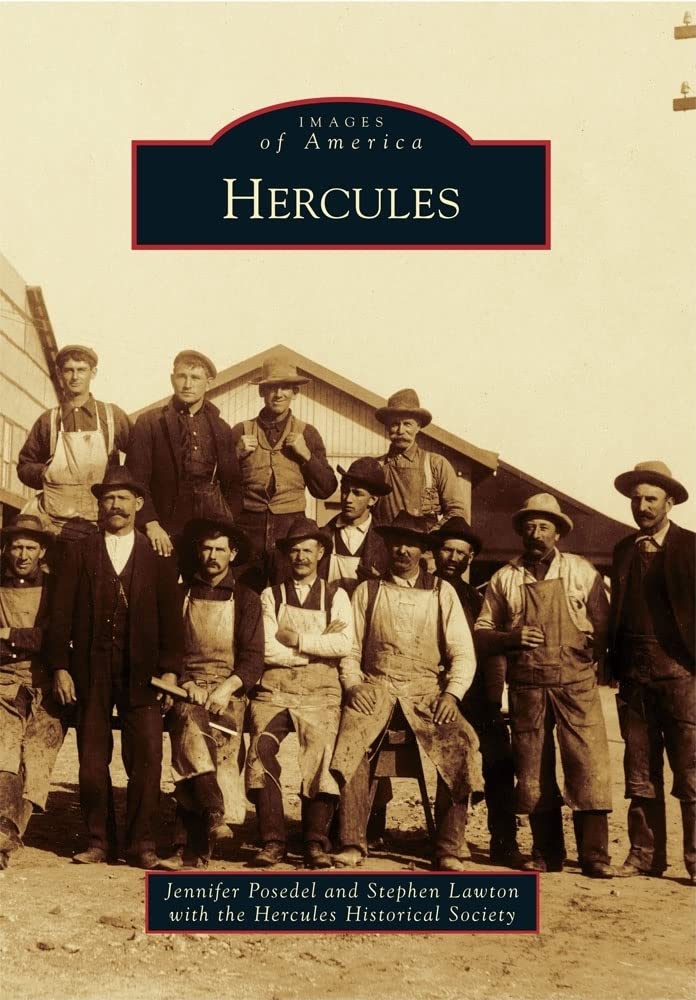
The history of explosives manufacturing in Hercules began in 1879, when the California Powder Works acquired a site on San Pablo Bay, 20 miles northeast of San Francisco. The powder works, subsequently owned by Dupont and the Hercules Powder Company, produced one of the first internationally branded products: Hercules dynamite. It became the world’s leading producer of TNT during World War I. The town of Hercules was incorporated in 1900, and for nearly 75 years its population remained under 300. The company-owned village had no retail district, but its employee clubhouse was the anchor for the city’s social life. After the explosives plant closed, buildings comprising a small historic district were restored, while a diverse residential suburb grew rapidly around it. Hercules chronicles the city’s industrial past and a vanishing way of life.
Images of America: Isleton
Bruce Crawford, 2003
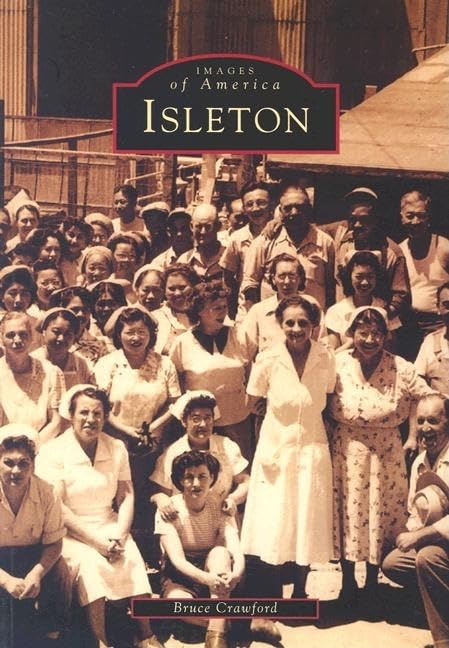
In the heart of the Delta, between the Sacramento and San Joaquin Rivers, the small town of Isleton boasts a fascinating history. Built primarily by farmers who found the reclaimed marshland perfect for their agricultural endeavors, the community also became a center for Chinese customs and life when immigrants began to establish themselves in the area in the 1860s. The Chinese were soon followed by other ethnic groups, including Japanese, Filipino, Portuguese, and others who joined them in farming the land, working in the canneries, and raising their families. Though much smaller today than at its peak just prior to World War II, Isleton has made great efforts to preserve its unique character, and today many of its structures are listed on the National Register of Historic Places.
Images of America: Locke and the Sacramento Delta Chinatowns
Lawrence Tom, Brian Tom, 2013
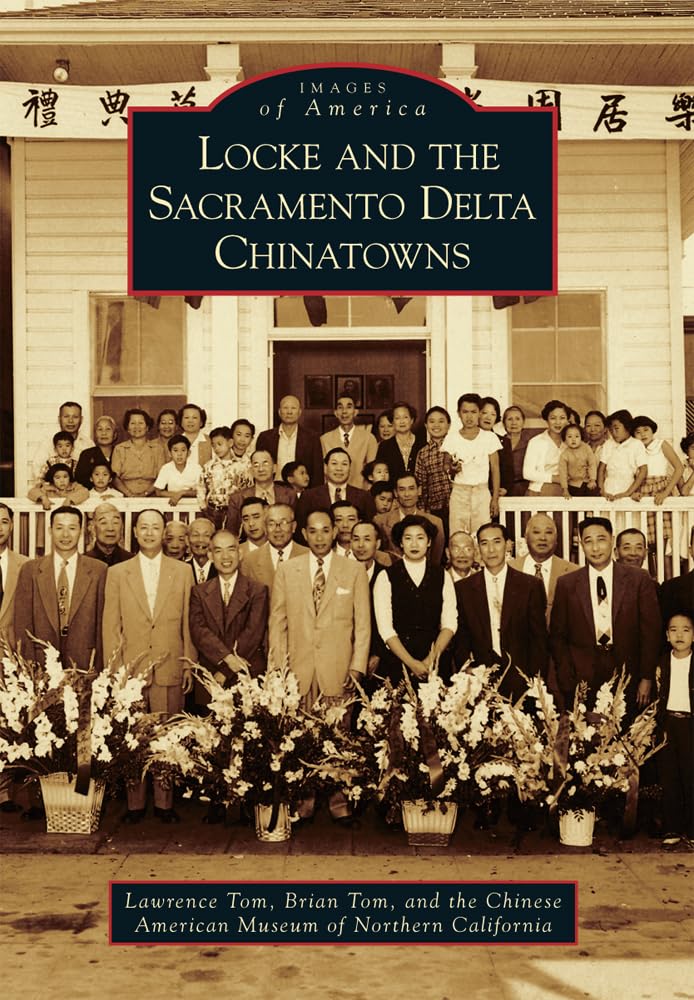
Chinese pioneers in the Sacramento River Delta were the vital factor in reclaiming land and made significant contributions to California’s agricultural industry from farming to canning. Since the 1860s, Chinese were already settled in the delta and created Chinatowns in and between the two towns of Freeport in the north and Rio Vista in the south. One of the towns, Locke, was unique in that it was built by the Chinese and was inhabited almost exclusively by the Chinese during the first half of the 1900s. The town of Locke represents the last remaining legacy of the Chinese pioneers who settled in the delta.
Images of America: Maritime Contra Costa County
Carol A. Jensen, East Contra Costa Historical Society, 2014
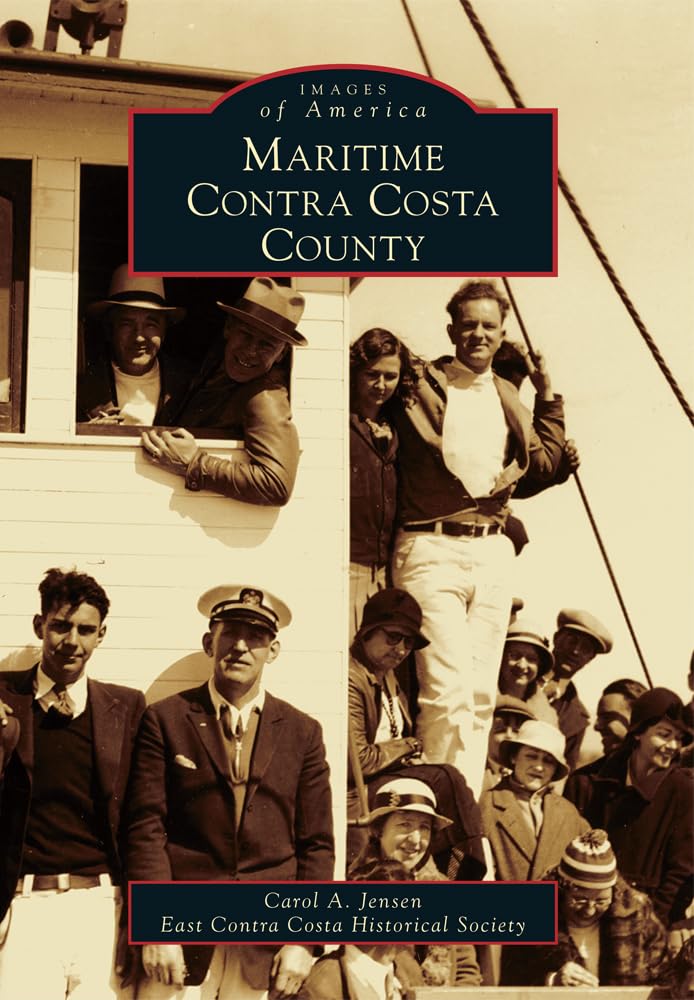
San Francisco’s “opposite shore” is showcased for its maritime role in securing the city’s financial preeminence. Located minutes from San Francisco by ferry or automobile, Contra Costa County provided deepwater ports for shipping agricultural, mineral, and manufactured goods around the world. Pacific commodity traders made use of these ports to ship products, ensuring California’s unique global economic role. Immense wealth was created from goods shipped from maritime Contra Costa County, securing a vibrant economy from the Gaslight Era to the days of Haight-Ashbury.
Images of America: Martinez
Martinez Historical Museum, 2004
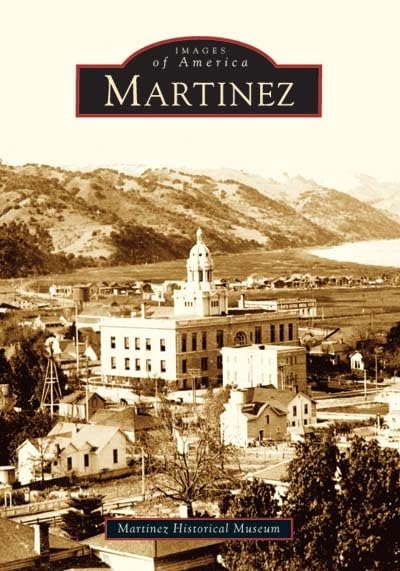
Martinez, nestled in a gentle valley by the calm waters of the Carquinez Strait, became an important early inland port that welcomed ships from all over the world. Once a commercial center for grain growers from as far away as the Livermore Valley, it was named Contra Costa’s county seat in 1850. From the days of the Gold Rush when ferries carried hopeful miners across the strait on their way north, through the linking of its railway track to the transcontinental network in 1879, to the thriving industries of today, Martinez has remained the governmental and transportation center of the region.
Images of America: Pittsburg
Marti Ariello, 2004
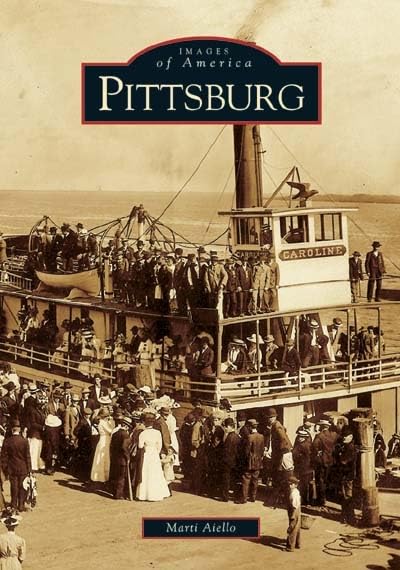
Situated at the far reaches of the Bay Area, Pittsburg has long been perceived as a commuter town, an out-of-the-way bedroom community. Yet this city has a rich and varied history stretching back to the early days of statehood and has played an important role in commerce, both to the state and to the Bay Area. Before long the burgeoning city had a fishing industry rivaling that of San Francisco’s famed Fisherman’s Wharf and a largely Italian fishing community. By the 1900s, a surprising number of industries set up factories along the waterfront property of Pittsburg. In 1942, the beginning of World War II brought the building of Camp Stoneman, an important departure point for many servicemen. Later, the city became known as a residential destination. Readers of this book will surely see Pittsburg in a new light as they enjoy the surprising and varied tales of the city’s previous generations.
Images of America: Port Chicago
Dean L. McCleod, 2007
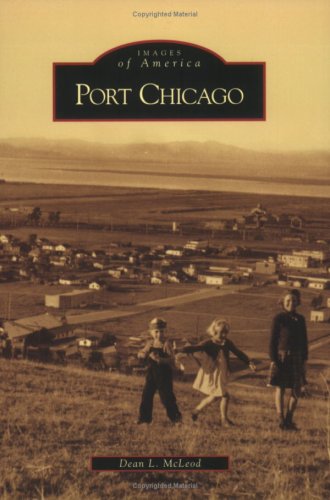
Port Chicago was an all-American town and naval facility. Forged at the beginning of the 20th century on Suisun Bay in Contra Costa County, the navy town met its end during the Vietnam War, when it was sacrificed to preserve national security. Port Chicago was a place where no one locked their doors. It was a place of family, education, and religion–and of parades and patriotism. Starting with the port’s early days, continuing through the disastrous and mysterious explosion and subsequent mutinies in 1944, and ending with rumors of nuclear weapons and the controversial 1960s, this book traces the singular journey of a port town through the best and worst times of the 20th century.
Images of America: Port Costa
John V. Robinson, Veronica Crane, 2007
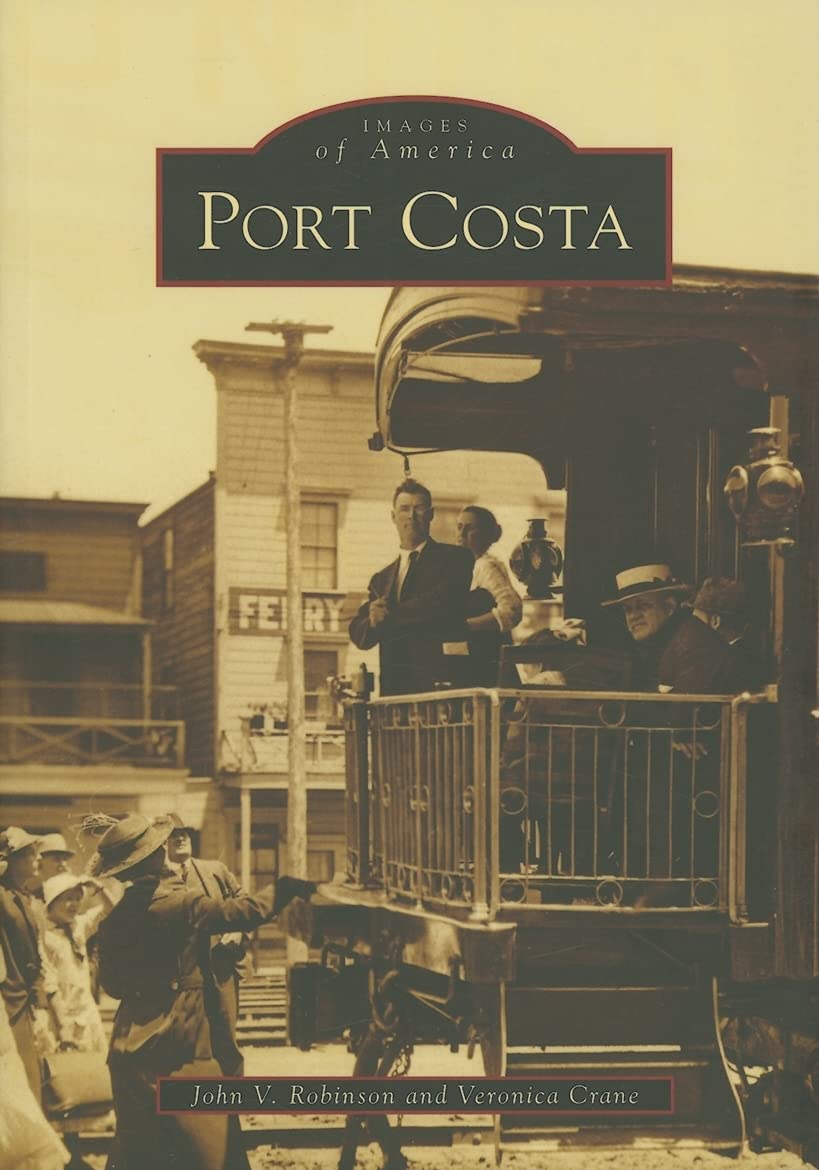
Port Costa may be a quiet place now, but it wasn’t always thus. The town was born in 1879, when the Central Pacific Railroad built its southern ferry-transfer slip at the mouth of the Bull Valley. For 50 years, trains, passengers, and cargo were transported across the Carquinez Strait from Benicia. A thriving waterfront community with a wild side reminiscent of San Francisco’s Barbary Coast sprang up around the ferry terminal and grew during the California wheat boom of the 1880s and 1890s. During this time, Port Costa became one of the busiest ports on the West Coast. The wheat ships and ferryboats are gone now, but Port Costa remains a popular local tourist destination for people who wish to catch a glimpse of Contra Costa County’s historic past.
Images of America: Port of Sacramento
West Sacramento Historical Society, 2007
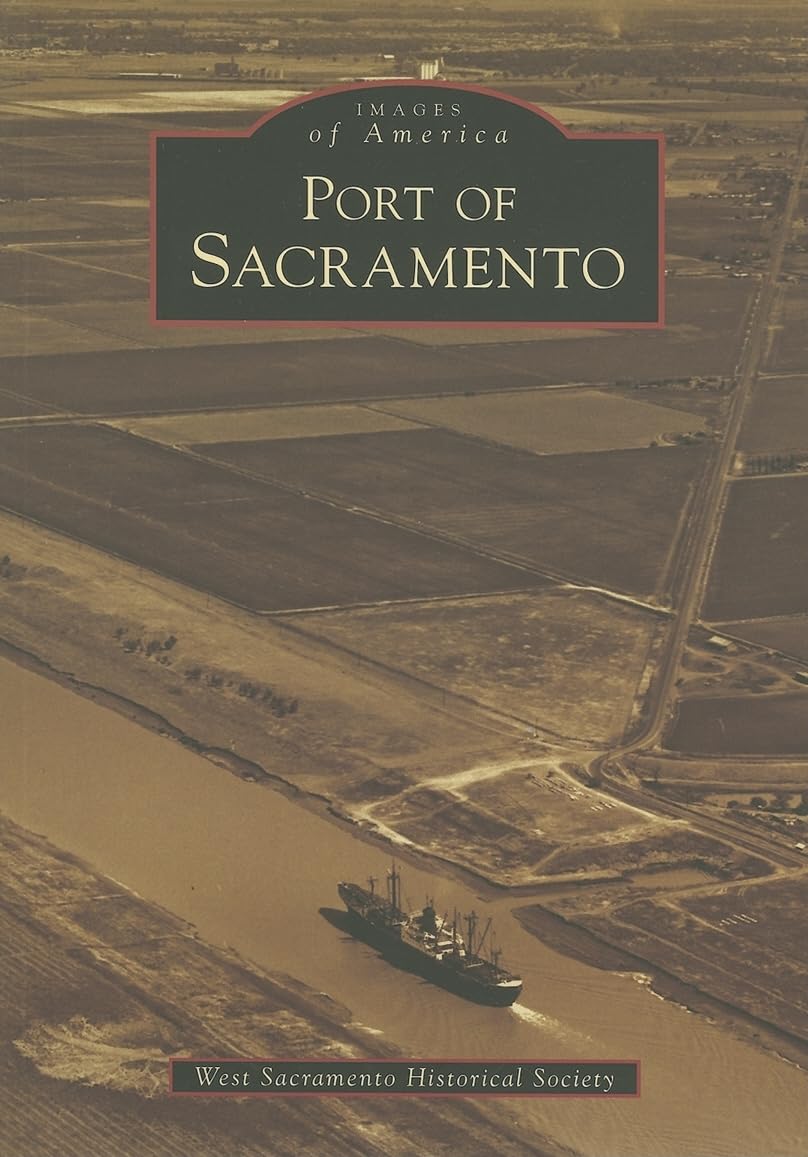
Located about 100 miles inland from the coast, Sacramento isn’t always considered a port town. Yet beginning in the mid-1850s, barges, riverboats, and steamers began plying the river between here and San Francisco, carrying passengers, supplies, livestock, and produce between the coast and valley regions. The deepwater era began in 1911, when plans began on a canal and lock system that could accommodate large ships. In 1947, the Sacramento-Yolo Port District was created, ushering in many decades of worldwide shipping and commerce that was critical to the growth of California. Along the way, the facility hosted virtually every manner of oceangoing vessel and cargoes and equipment of every description.
Images of America: Rio Vista
Philip Pezzaglia, 2005
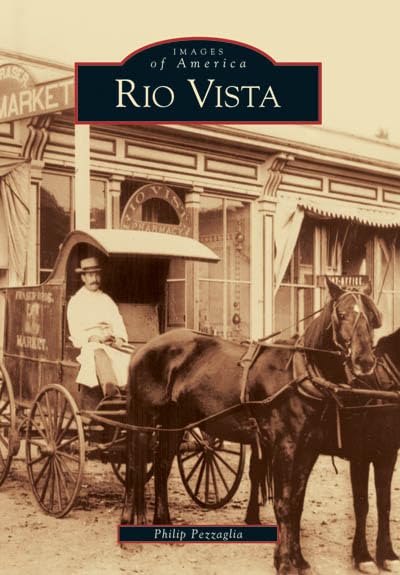
Picturesque Rio Vista was first named Los Brazos del Rio (The Arms of the River) for its proximity to the confluence of the Sacramento River, Steamboat Slough, and Cache Slough. The river was once its reason for being, and the town’s huge wharf welcomed steamers like the New World and Eclipse that moved mail, freight, and passengers between Sacramento and San Francisco. The same river rose up to destroy the town after a massive flood in 1862. Although many decamped, a few determined survivors stayed on after the disaster and managed to secure a safer site for “New” Rio Vista, reborn as a thriving agricultural community. In the same spirit, Rio Vista incorporated as a city in December 1893, just 17 months after a fire burned most of its downtown. Now this growing city, close to luxury residential developments, sits atop the largest dry gas reserve in California.
Images of America: Rodeo
Jennifer Dowling, 2007
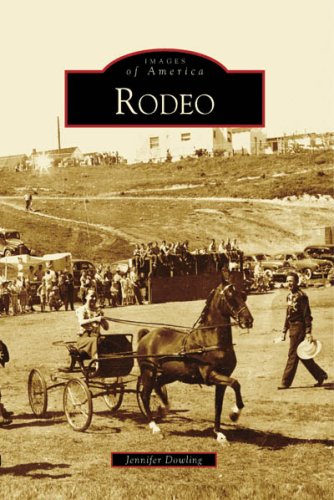
Rodeo, located on the east shore of San Pablo Bay, was envisioned as the meatpacking center of the West when it was established by the Union Stockyard Company in 1890. That vision failed, but the town continued attracting residents for jobs at the nearby Hercules powder works, Selby smelter, and Oleum refinery. By the 1940s, a war-based industrial buildup made Rodeo’s population surge, and this was followed by a postwar boom in housing and retail construction. During these prosperous years, Rodeo was a regional hub for fishing and boating. Times have changed, but the images in these pages recall Rodeo’s early years–the marina, businesses and homes, schools, civic officials, and local industry, as well as the town’s celebrations, such as the Holy Ghost and Aquatic Festivals.
Images of America: The Benicia Arsenal
Dr. James Lessenger, Allan Gandy, 2023
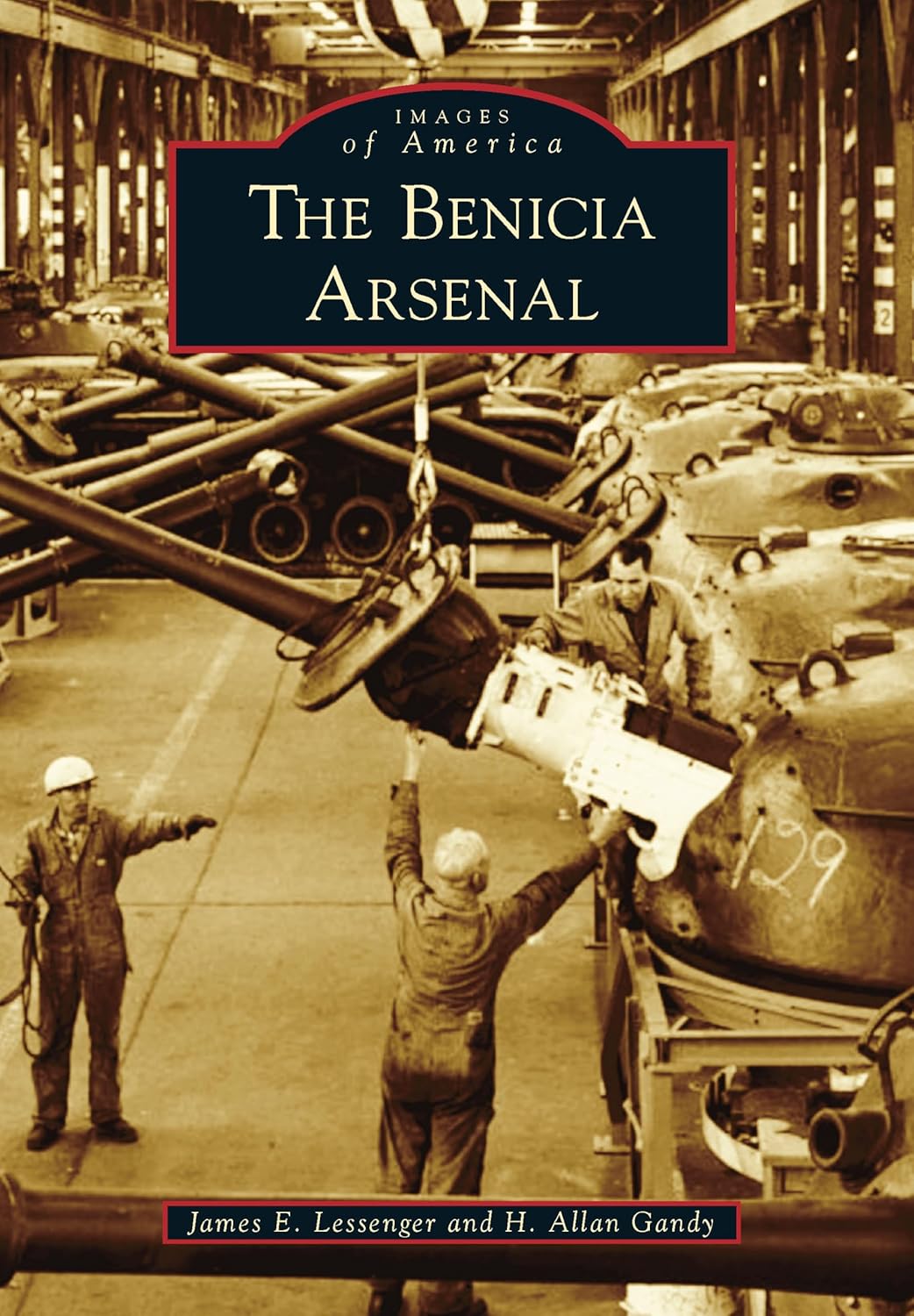
The Benicia Arsenal served the US Army in the West for 117 years. Located at a strategic location between the San Francisco Bay and the interior of California, the military reservation began as cavalry barracks. During the Civil War, the arsenal was the logistics headquarters of the California Volunteers, a force that replaced the Army units that went east to fight. In the later 19th century, the arsenal supported missions in Russia, Hawaii, and South America. The 20th century took the arsenal from the horse-and-buggy era to Nike missiles and provided support during World War I, World War II, the Korean War, and the Vietnam War. During World War II, half the workforce was made up of women, and in the postwar period, as the Army integrated, so did the arsenal. The arsenal closed in 1964, and the land was converted into an industrial park that now houses over 300 companies.
Images of America: The California Delta
Carol A. Jensen, Hall Schell Archives, East Contra Costa Historical Society, 2007
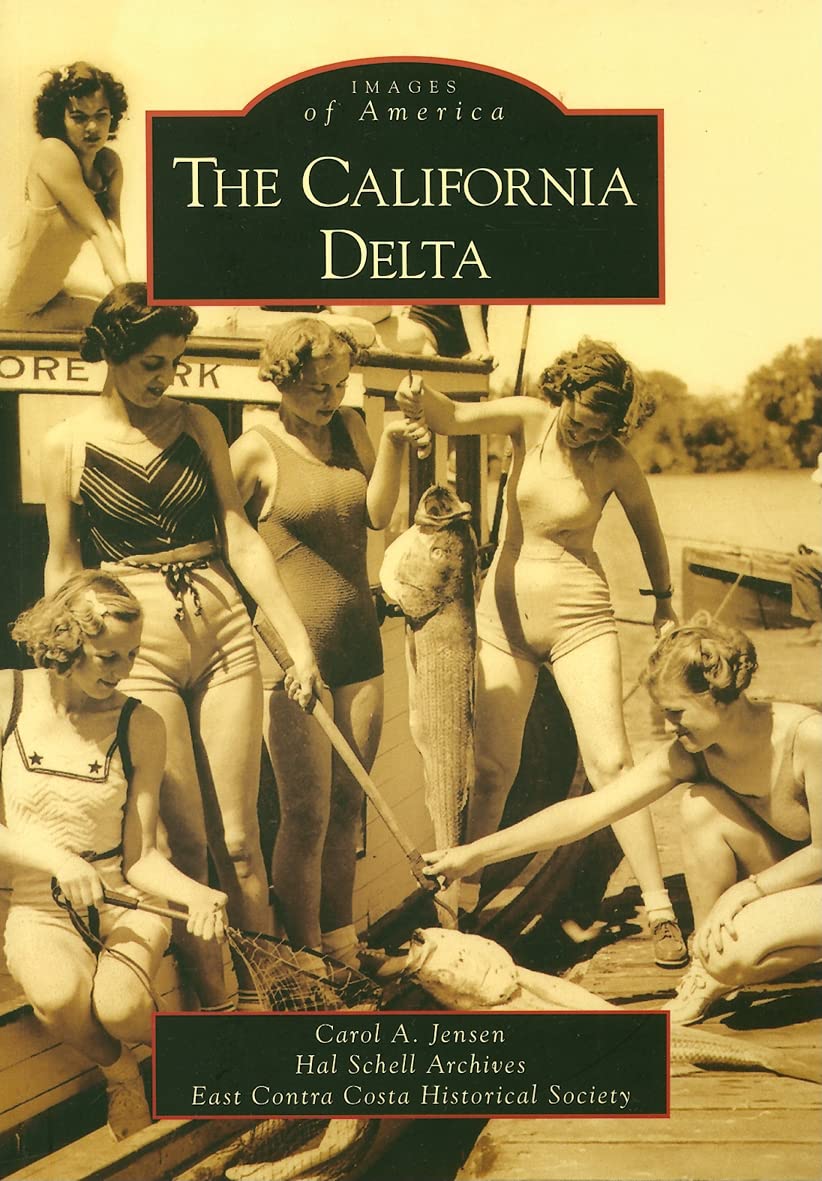
Over 1,000 miles of waterways lure sportsmen, boaters, and outdoor enthusiasts to the largest estuary in the western United States, surpassed nationally only by the Mississippi River Delta. For generations, the promise of lazy summer days has beckoned travelers to cruise the mighty Sacramento and San Joaquin Rivers. Along with vacationers, however, agricultural users and commercial vessels from around the globe share in the California Delta’s bounty. Over 23 million Californians rely on the delta watershed for drinking water, and diversions sustain the largest agricultural industry in the nation. The small towns dotting the sloughs from Collinsville to Stockton to Walnut Grove tell of a simpler time, while today’s Delta faces such challenges as wildlife-habitat restoration, water rights, housing development, and politics. Complicating these issues, aging levees throughout the low-lying region threaten a disaster of national proportions–and with that prospect, the very future of the California Delta.
Images of America: Towns of the Sacramento River Delta
Philip Pezzaglia, 2013
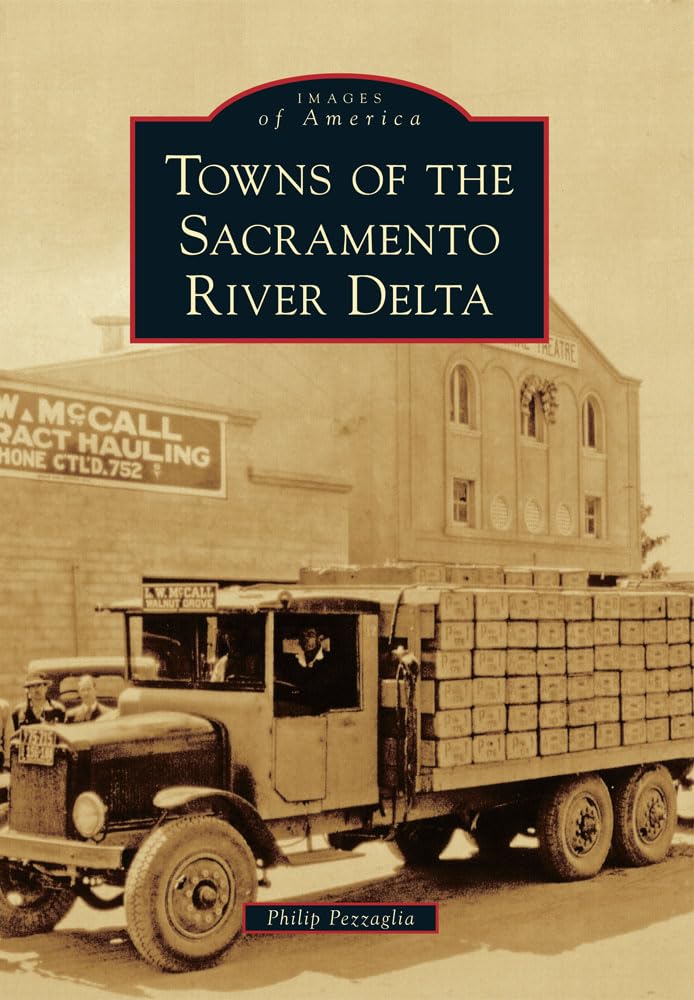
What can be considered the first major exploration of the Sacramento River, from its mouth northward, began on May 13, 1817, when Padres Duran and Abella and 20 other men under the command of Lt. Louis Antonio Argullo sailed in two launches up the river. They continued north until May 20, 1817, when they turned back. The group recorded their point of farthest exploration by carving a cross into an oak tree; some believe this point is near the present-day town of Freeport. Three decades later, Clarksburg was established, followed by Walnut Grove, Paintersville, Rio Vista, Onsibo, Freeport, Courtland, Emmaton, Isleton, Vorden, Ryde, Hood, and Locke. Each one of the settlements has its own exciting tale about its founders and the origins of the name that it was given.
Images of America: Vallejo
James E. Kern, Vallejo Naval and Historical Museum, 2004
Founded as California’s state capital in 1850 and named for one of the state’s pre-eminent native sons, General Mariano Vallejo, the city of Vallejo has a favored location on the eastern interior of San Francisco Bay. Protected from wind, fog, and possible invasion by sea, Mare Island, just off Vallejo’s shoreline, was the United States Navy’s first base in the Pacific in 1854. Mare Island Navy Yard grew to meet the challenge of every major conflict in the country, reaching its apex during World War II and ending its military life producing nuclear submarines. The sunny sloping streets of Vallejo lengthened and became more populous in tandem with the Yard, expanding in bursts and nearly tripling its population in the 1940s. In recent years the city and its institutions have survived a wrenching urban and economic redevelopment process, now building on the creative strengths of its historic downtown and colorfully diverse population to forge a Vallejo for the new millennium.
Images of America: West Sacramento
West Sacramento Historical Society, 2004
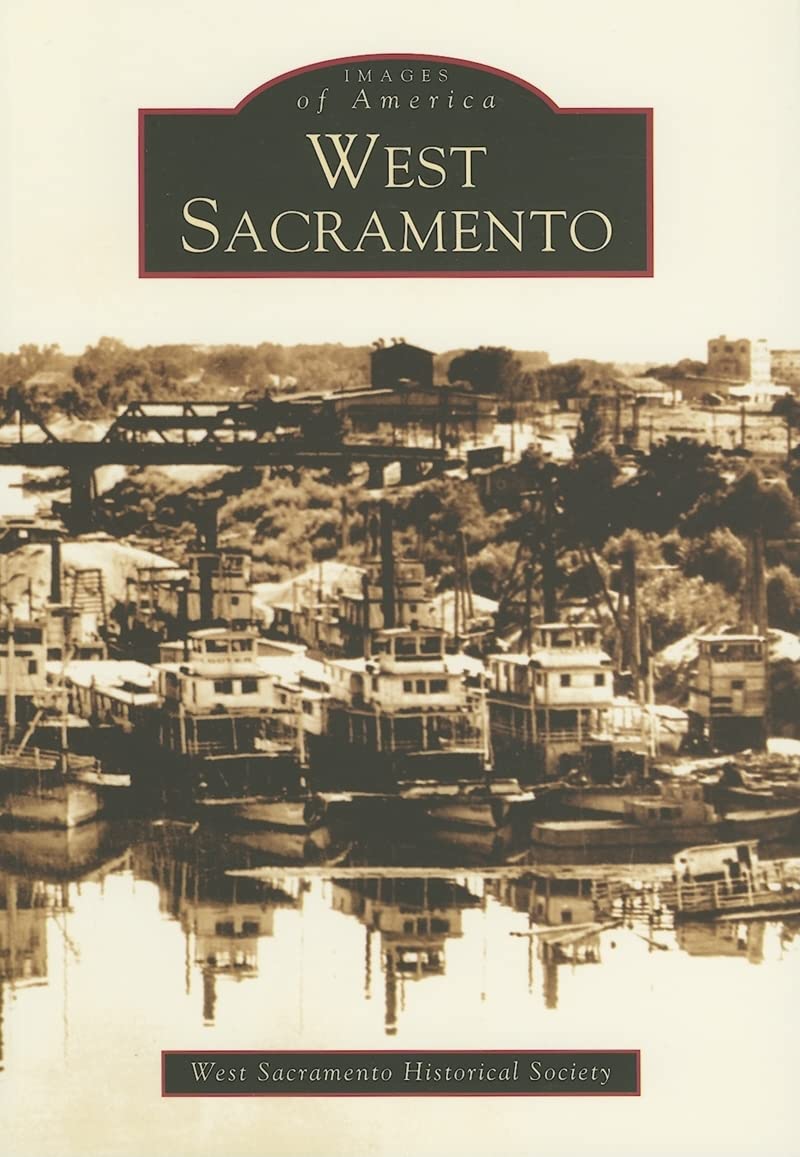
West Sacramento, in Yolo County, is just across the river from the state capital that shares part of its name. But it has a very distinct history. First called Washington, the area became an agricultural and industrial center that attracted Chinese, Japanese, Portuguese, and Russian immigrants and helped to feed and supply the growing metropolis of Sacramento and surrounding counties. In 1911, the ambitious West Sacramento Land Company laid down electric rail links to downtown Sacramento and cleared the land for what they hoped would be large-scale developments and population growth. Eventually West Sacramento did grow, and in 1987 the communities of West Sacramento, Broderick, Bryte, and Southport joined together to become one of the newest incorporated cities in the state.